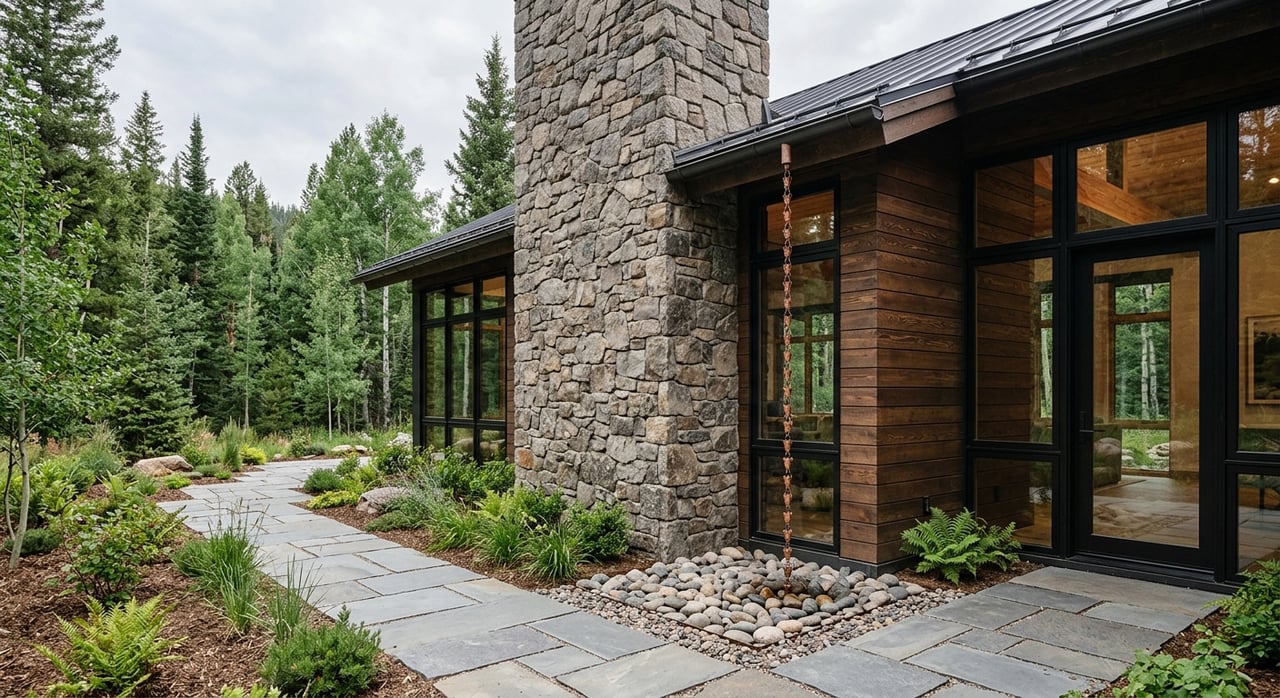
Are you dreaming about a custom home in Driggs, only to realize that buying the right piece of land can be just as important as the home itself? That is a common turning point for buyers here, especially when mountain views, winter conditions, utilities, and local rules all shape what is truly possible. If you want to build with confidence, it helps to understand how parcel selection, permitting, access, and infrastructure work before you buy. Let’s dive in.
Start With Jurisdiction
One of the first steps in buying land and building a custom home in Driggs is confirming which jurisdiction controls the parcel. A property may be inside the City of Driggs, in an Area of City Impact, or in unincorporated Teton County. That matters because zoning, subdivision standards, utility rules, and building requirements can change depending on where the parcel sits.
Before you make an offer, it is smart to confirm that the parcel is a legal lot of record or otherwise qualifies under county nonconformity rules. You should also review the recorded plat or survey for utility easements, access limitations, and other physical constraints. Private covenants and HOA rules need separate review, since the county does not enforce them.
Evaluate Buildability Early
A beautiful parcel is not always a simple build site. In and around Driggs, terrain and overlays can affect where you can place a home, how you design it, and what approvals you may need before construction starts.
Teton County overlay maps may identify floodplain, wildfire hazard, natural resource, or bear-conflict areas. These overlays can trigger added studies, site plans, clustering requirements, or vegetation-management measures. If you are comparing multiple lots, these factors can quickly separate a straightforward homesite from one with a more complex path.
Check Slope and Soil Conditions
Terrain is a major filter in unincorporated Teton County. The county does not allow development on slopes over 30%, and some sites may require geotechnical analysis if soil or geologic hazards could affect the home, road, or utility lines.
That means a parcel that looks ideal on paper may still need deeper due diligence. Slope, drainage, and subsurface conditions can all affect your design options and your budget.
Review Easements and Setbacks
Inside city limits, setbacks depend on the zoning district. Even when zoning allows a home, public or private utility easements can still limit where the structure can sit on the lot.
This is why recorded plats and surveys matter so much. A well-placed custom home starts with understanding the build envelope before you finalize your plans.
Confirm Access Before You Buy
Access issues can be easy to overlook until they become expensive. In Teton County, a driveway or right-of-way access permit is required for new building or site improvements, and parcels are generally limited to one driveway access to a public road unless another arrangement is approved.
If a driveway is shared, the county requires shared-access easements and maintenance agreements. Long driveways may also need turnarounds or pullouts. For mountain properties, these details affect not just approval, but daily usability in all seasons.
Understand Water, Sewer, Septic, and Wells
Utilities often determine whether a lot is truly build-ready. In Driggs, this is one of the most important parts of land due diligence because service availability can materially change your timeline and cost.
City Water and Sewer Rules
If your parcel is inside city limits, Driggs provides water and sewer connections. The city states that all new residences or commercial buildings within the City of Driggs, or within 300 feet of an existing sewer line, are required to connect to the city system.
If a new structure is not within 300 feet of an existing line, the city says a building permit will not be issued until the owner either negotiates a line extension or obtains a septic permit from the local health district. The city also notes that outside-city users pay 1.5 times the listed water and sewer rates.
For budgeting purposes, the city’s current utility schedule lists a 1-inch water connection total of $12,358 and a minimum sewer hookup fee of $7,319 for structures with 25 Water Supply Fixture Units or less. Those are city-specific numbers that can have a real impact on your land and construction budget.
Septic Requirements in County Areas
If the parcel is in county jurisdiction and not served by city water or sewer, a new dwelling must obtain a septic permit from Eastern Idaho Public Health before building permit approval. Septic approval is also required before a Certificate of Occupancy.
In Idaho, it is unlawful to construct or modify an individual sewage system without a valid installation permit. If you are considering raw land outside city service, septic feasibility should be part of your early review.
Well Permit Requirements
If your property will need a private well, Idaho requires a drilling permit through the Idaho Department of Water Resources. The well must be constructed by a licensed well driller.
Domestic wells generally do not need additional approvals before the drilling permit can be approved, but the permit step still comes first. That makes well planning another early item, not something to leave until the last minute.
Call Before Digging
Before excavation begins, Idaho damage-prevention rules require a one-call ticket at least 2 business days and no more than 10 business days before digging. This applies to trenching, foundation preparation, driveway work, septic installation, and related site work.
It is a small step, but it is a required one. If you are coordinating a custom build, these timing windows matter.
Plan for Driggs Building Standards
Building a custom home in Driggs means designing for mountain conditions, not just aesthetics. Local standards help explain why structural design, insulation, drainage, and roofing details can meaningfully affect both budget and construction timeline.
The City of Driggs lists a ground snow load of 85 psf, frost depth of 36 inches, wind pressure of 90 mph, climate zone 6B, and seismic zone D1. The city uses the 2018 International Building Code and the 2018 International Residential Code.
These standards influence the kind of engineering and construction your home will need. If you are envisioning a mountain-modern retreat or a timber-and-stone home, the design has to perform as well as it looks.
County Design Factors
In unincorporated Teton County, additional development rules can shape the site plan. Ridgelines may not be breached as viewed from state highways, wildfire overlay areas may require site or vegetation-management plans, and larger site plans may need to account for snow storage and access.
For many custom homes, that translates into thoughtful placement, winter-ready circulation, and a landscape plan that works with the site. In a mountain setting, function and beauty need to work together.
Choose Your Builder Carefully
Your builder plays a major role in cost control, scheduling, and permit readiness. In Idaho, contractor registration is required for most construction jobs over $2,000 unless an exemption applies.
If you are hiring a builder, verify registration status and make sure the contract clearly matches the scope of work. If you plan to act as your own builder, Idaho may allow that in some situations, but the project still must meet the same code, permit, and inspection requirements.
Know What the Permit Process Requires
In unincorporated Teton County, the residential permit checklist is a key planning document. It requires plans stamped by an Idaho-licensed structural engineer, and the site plan must show the driveway, well, septic system, and distances to property lines.
The same site plan must be used for grading, building, and septic permit files. The checklist also calls for proof of ownership, energy-code compliance, and any required wildlife, floodplain, wetlands, or road approvals.
This is why permit sequencing deserves real attention at the start. A strong plan package can help avoid delays that push back excavation, utility work, or the start of vertical construction.
Budget Beyond the Land Price
When buyers first explore land in Driggs, they often focus on the purchase price of the parcel. In reality, the total cost of a custom build can be shaped just as much by grading, engineering, utility connections, septic or well installation, driveway work, and erosion-control requirements.
As a national benchmark, the 2024 National Association of Home Builders survey found an average construction cost of $428,215 for a typical single-family home and an average finished lot cost of $91,057, with an average total sales price of $665,298. That is not a Driggs-specific estimate, but it gives you a useful baseline before you layer in the mountain-site variables that are common in this market.
Set a Realistic Timeline
Custom home timelines are rarely as short as buyers hope. National Census Bureau data show an average of 8.3 months from start to completion for all one-unit buildings in 2022, 10.1 months for contractor-built one-unit homes, and 12.1 months for owner-built homes.
In Driggs, utility coordination, permit sequencing, weather, and site conditions can extend that timeline. City permits become invalid if work does not begin within 180 days or is suspended for 180 days, while county permits expire three years after issuance.
A realistic timeline helps you make better decisions around financing, design, and move-in planning. It also gives your team room to solve site-specific issues without rushing key steps.
A Smarter Way to Buy Land in Driggs
Buying land and building a custom home in Driggs can be an incredible opportunity, but the best outcomes usually start with disciplined due diligence. The right parcel is not just scenic. It is legally buildable, properly accessed, thoughtfully serviced, and aligned with your budget, timeline, and design goals.
If you want a clearer path from raw land to finished mountain home, working with a team that understands both the lifestyle and the local mechanics can make the process feel much more manageable. When you are ready to talk through land opportunities, custom-home goals, or your next move in Teton Valley, schedule a consultation with Mountain West Luxury Living.
FAQs
What should you verify before buying land in Driggs?
- Confirm the parcel’s jurisdiction, legal lot status, zoning, recorded plat or survey details, utility easements, access constraints, and any private covenants or HOA restrictions.
Does a Driggs lot need city sewer service?
- If the parcel is within the City of Driggs or within 300 feet of an existing sewer line, city connection is generally required.
Can you build a custom home on raw land in Teton County?
- Yes, if the parcel is legal, has lawful access, and can meet zoning, engineering, utility, septic, and permit requirements.
Do you need a septic permit for county property near Driggs?
- Yes, if the property is outside city sewer service, a new dwelling must obtain a septic permit from Eastern Idaho Public Health before building permit approval.
Do you need a well permit for a private well in Idaho?
- Yes, Idaho requires a drilling permit through the Idaho Department of Water Resources, and the well must be built by a licensed well driller.
How long do building permits last in Driggs and Teton County?
- In the city, a permit becomes invalid if work does not start within 180 days or is suspended for 180 days. In the county, a building permit expires three years after issuance.
Can you act as your own builder for a Driggs custom home?
- Possibly, if you qualify for an Idaho exemption, but the project still must meet the same permit, inspection, and code requirements.