Understanding zoning in Bonneville County is essential before buying, building, or investing. Zoning laws determine how land can be used—whether for residential living, agriculture, commercial activity, or industrial purposes. If you’re planning to build, flip, or invest, knowing these rules upfront can save you time, money, and costly mistakes.
Residential Zoning in Bonneville County
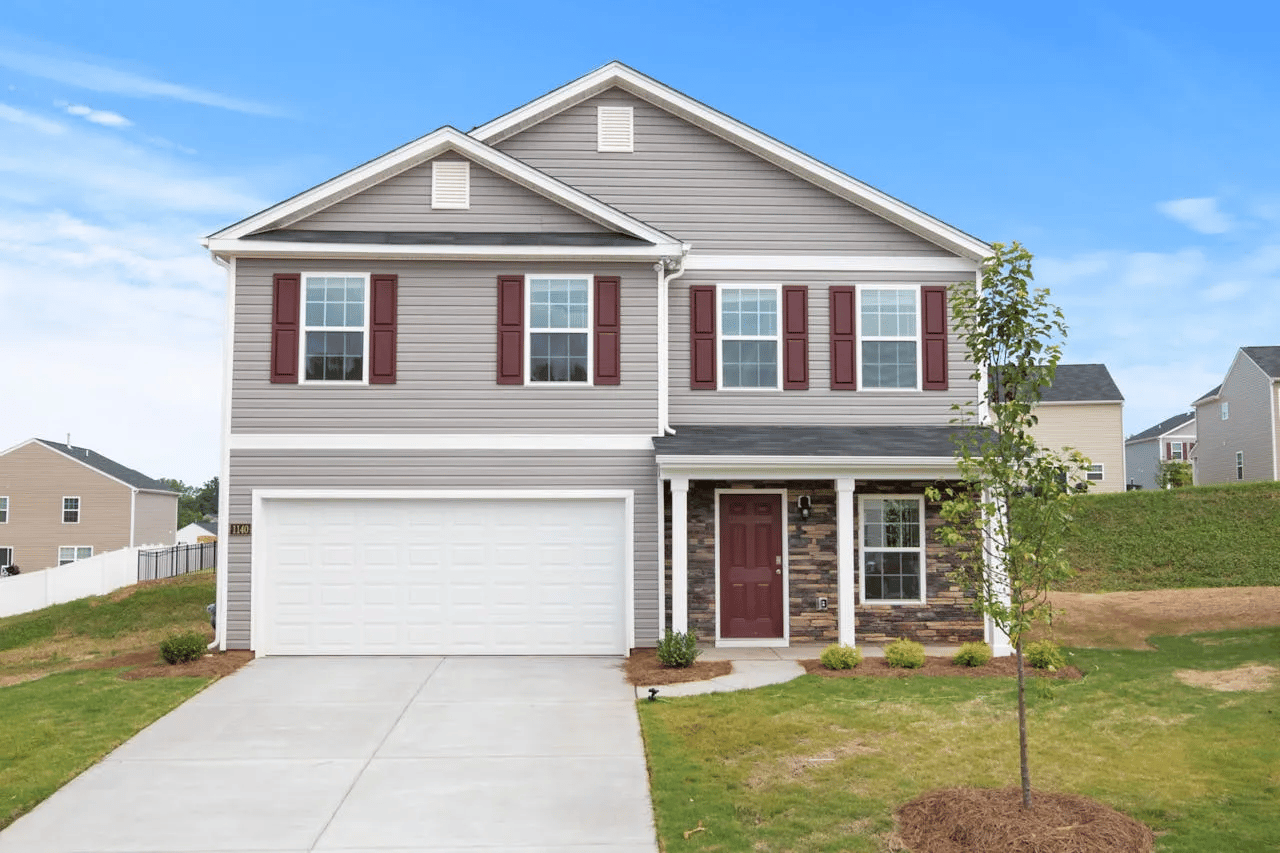
Residential zones are designed for housing, but density and allowed uses vary:
- R-1 (Single-Family Residential): Intended for traditional neighborhoods with one home per lot. This is the most common zoning for primary residences.
- R-1.5 (Moderate Density Residential): Similar to R-1 but allows smaller lot sizes, creating slightly denser communities.
- R-2 (Two-Family Residential): Allows duplexes and multi-family setups with two units per property.
- R-3 (Multi-Family Residential): Designed for apartments, condos, and higher-density housing developments.
👉 Investor insight: R-2 and R-3 zones typically offer better income potential due to multi-unit possibilities.
Agricultural Zoning

Agricultural zones are ideal for larger properties, farming, and rural living:
- RA-1: Smaller agricultural lots with limited farming and livestock use.
- RA-2: Medium-scale agricultural use with more flexibility for farming operations.
- RA-3: Large-scale agricultural zoning allowing extensive farming and livestock activities.
👉 These zones often come with minimum lot size requirements, which increase as zoning intensity grows.
Commercial Zoning
Commercial zones support business activity and services:
- C-1 (Neighborhood Commercial): Small businesses like offices, retail shops, and service providers.
- C-2 (General Commercial): Larger commercial uses such as hotels, shopping centers, and larger retail operations.
👉 Location matters—commercial zoning is usually placed along main roads or high-traffic areas.
Industrial Zoning
Industrial zones are intended for manufacturing, storage, and heavy-use operations:
- Industrial / Manufacturing (I&M): Warehouses, factories, and production facilities.
👉 These areas are typically separated from residential zones due to noise, traffic, and environmental impact.
Important Zoning Processes

Even if a property’s zoning doesn’t match your intended use, there are still several paths you can explore. A Conditional Use Permit (CUP) allows certain uses that are not typically permitted under the current zoning classification, while a variance provides an exception to specific zoning rules such as setbacks or building height restrictions. In cases where a more permanent change is needed, a zone change (rezoning) can officially modify the property’s zoning designation. These processes typically take anywhere from 30 to 90 days, depending on the complexity of the request and the approval requirements involved.
Zoning Hierarchy: What Overrides What?

Zoning regulations are important, but they are not the only rules that apply to a property. In many situations, other restrictions can take priority. These may include county or city zoning regulations, as well as local ordinances if the property is located within city limits such as Idaho Falls. In addition, subdivision CC&Rs and HOA rules can further limit what you’re allowed to do with a property. Even if the zoning technically allows a certain use, HOA guidelines or CC&Rs may still prohibit it, making it essential to review all layers of regulation before making a decision.
Why Zoning Matters for Buyers and Investors

Before purchasing property in Bonneville County, it’s important to verify several key factors to avoid unexpected limitations. Buyers and investors should confirm what types of property uses are allowed, review minimum lot size requirements, and determine whether multi-family housing or short-term rentals are permitted. It’s also critical to check for any HOA or subdivision restrictions that could impact your plans. Understanding these details upfront helps ensure the property aligns with your goals and prevents costly surprises later on.
Investment Strategy by Zoning Type

Different zoning types support different investment strategies, and aligning the two is essential for maximizing returns. Properties zoned R-1 or R-1.5 are typically best suited for fix-and-flip projects due to strong resale demand, while R-2 zoning allows for duplexes and can generate steady rental income. For larger-scale investments, R-3 zoning supports multi-unit developments such as apartments, offering higher income potential. Meanwhile, agricultural zones like RA-2 and RA-3 are often better suited for long-term land investments or development opportunities. Matching your investment strategy with the appropriate zoning classification is key to maximizing profitability and long-term success.
Final Thoughts

Zoning laws in Bonneville County play a major role in determining a property’s value and potential. Whether you’re buying your first home or evaluating an investment opportunity, understanding zoning ensures you’re making informed, strategic decisions.