Understanding zoning in Bannock County, Idaho is an important step whether you’re purchasing land, building a home, or planning a development project. Zoning regulations define how land can legally be used and help guide long-term growth, protect property values, and ensure that different land uses remain compatible with one another. Having a clear understanding of these regulations allows buyers, sellers, and investors to make more informed and confident real estate decisions.
Bannock County uses a structured zoning system that organizes land into residential, agricultural, commercial, and industrial categories. Each zoning designation includes specific standards related to land use, building types, lot sizes, and development density. The county places a strong emphasis on balancing growth with preservation, particularly by supporting its agricultural base, managing residential expansion, and encouraging responsible commercial and industrial development. With the presence of Pocatello as a regional hub, zoning also plays a key role in coordinating development between urban and rural areas.
Residential Zoning
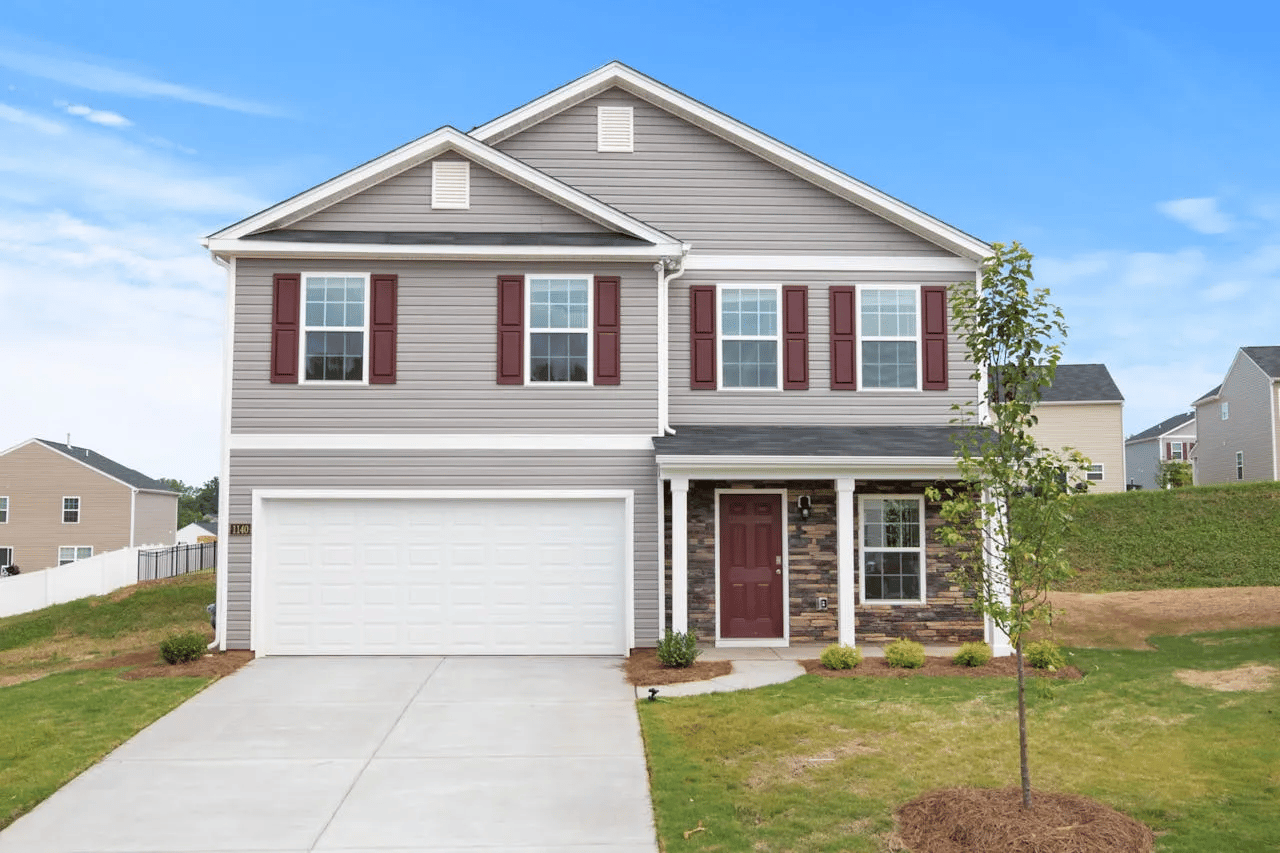
Residential zoning in Bannock County is designed to accommodate a variety of housing types while maintaining neighborhood character and livability. Lower-density residential areas are generally intended for single-family homes on larger lots, offering a more rural or suburban lifestyle. Medium-density zones may allow for duplexes or similar housing options, providing a transition between less dense neighborhoods and more developed areas. Higher-density residential zones support multi-family housing such as apartments, which are often located near city centers, schools, and major roadways to improve accessibility and support population growth.
Agricultural Zoning

Agricultural zoning is a fundamental part of land use planning in Bannock County, reflecting the region’s strong ties to farming and ranching. These zones are intended to preserve large parcels of farmland and limit non-agricultural development that could disrupt ongoing agricultural operations. In some areas, more flexible agricultural zones allow for a mix of residential and farming uses, particularly in locations where development is gradually expanding outward from established communities while still maintaining the county’s rural character.
Commercial Zoning
Commercial zoning in Bannock County supports economic activity while ensuring that business development remains compatible with surrounding land uses. Smaller-scale commercial zones are typically intended for neighborhood-serving businesses such as local shops, offices, and service providers. Larger commercial areas allow for more intensive uses, including retail centers, restaurants, and highway-oriented businesses, and are usually located along major transportation corridors where higher traffic volumes can be accommodated.
Industrial Zoning
Industrial zoning is designated for heavier uses such as manufacturing, processing, warehousing, and distribution. These areas are strategically located to support larger-scale operations while minimizing conflicts with residential and commercial zones. Industrial zones are important for job creation and economic development, but they are carefully planned to manage impacts such as noise, traffic, and environmental considerations.
Important Zoning Processes

When a property owner wants to use land in a way that does not fully align with its current zoning designation, several processes may be available. A zoning verification confirms the official classification of a property, while a Conditional Use Permit may allow specific uses under certain conditions. A variance can provide flexibility from development standards such as setbacks or building height requirements, and a rezoning application can be submitted to formally change a property’s zoning designation. These processes typically take between 30 and 90 days depending on the complexity of the request and the approval process.
Zoning Hierarchy: What Overrides What?

Before purchasing property in Bannock County, it is important to review all applicable regulations. County zoning rules apply to properties located outside incorporated city limits, while cities within the county, such as Pocatello and Chubbuck, may have their own zoning ordinances. In addition, subdivision covenants, conditions, and restrictions (CC&Rs), along with homeowners association (HOA) rules, may impose further limitations. Even when zoning allows a particular use, these additional layers can affect how a property can ultimately be used.
Why Zoning Matters for Buyers and Investors

Zoning plays a critical role in shaping development in Bannock County as the area continues to grow. With its combination of agricultural land, expanding residential areas, and a strong commercial and educational presence anchored by Idaho State University, the county experiences steady development pressure. Zoning regulations help balance this growth by protecting farmland, directing residential expansion, and ensuring that commercial and industrial development occurs in appropriate and sustainable locations.
Final Thoughts

Overall, zoning in Bannock County, Idaho is relatively straightforward but can involve multiple layers of regulation that should be carefully considered. Understanding how county rules, city ordinances, and private restrictions interact is essential for anyone looking to buy, build, or invest in property within the county.