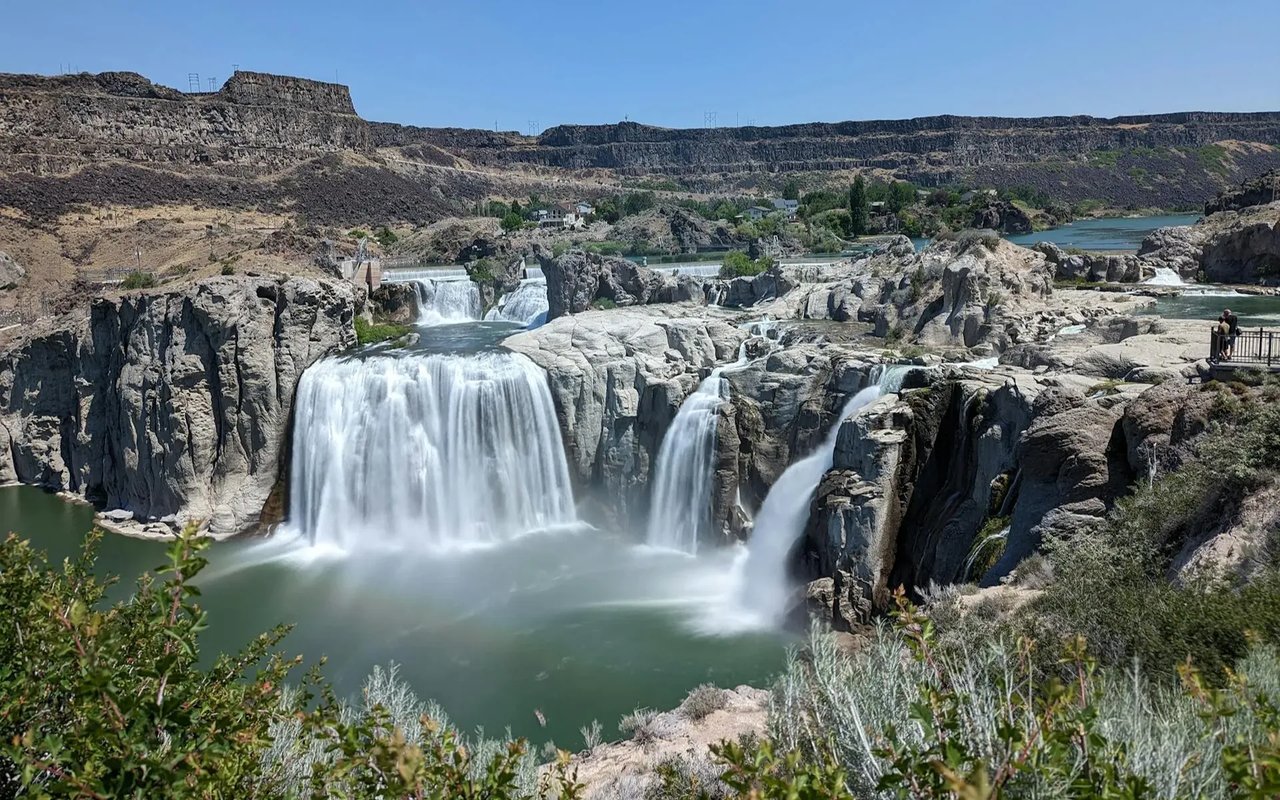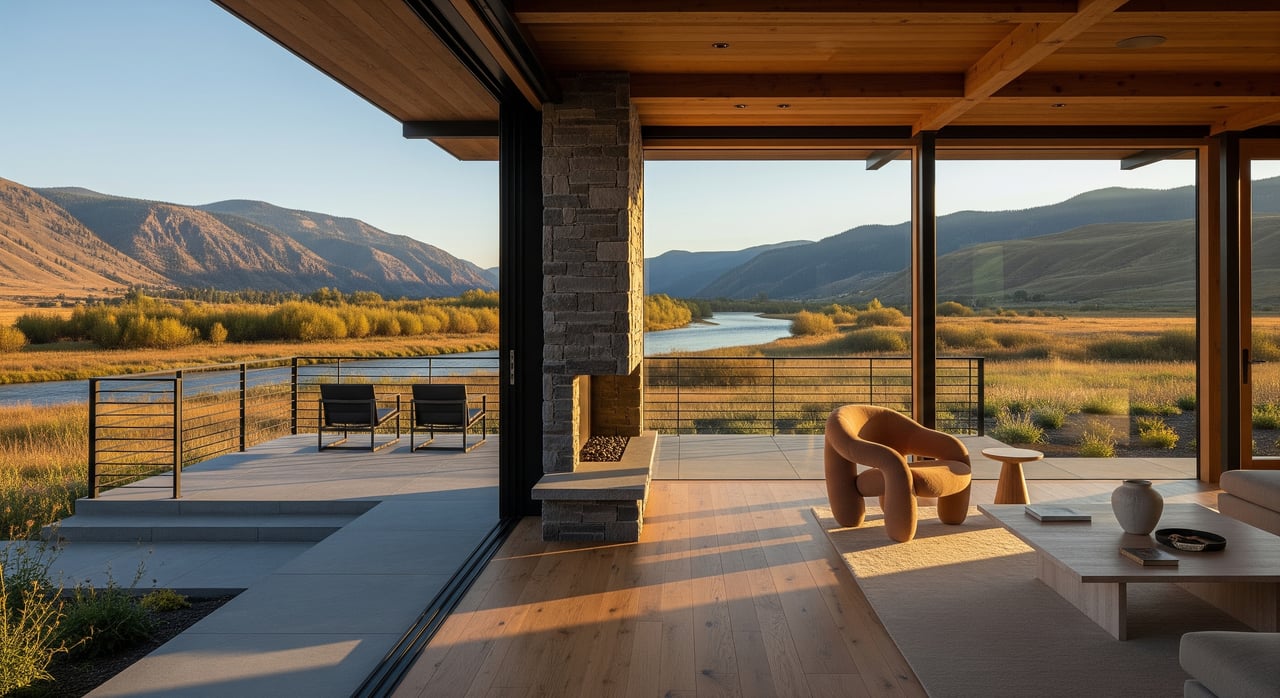
What draws people to Swan Valley is simple: you come for the river and mountains, and you stay for the quiet, low‑density lifestyle that lets you use them every day. If you’re weighing a second home or a relocation, you want to know how daily life actually works here, from winter driving to fishing access and Wi‑Fi. This guide walks you through the lifestyle, services, seasons, and ownership details so you can decide if Swan Valley fits your goals. Let’s dive in.
Where Swan Valley fits in East Idaho
Swan Valley sits in eastern Bonneville County, surrounded by public lands where the Snake River and nearby mountain ranges set the pace of life. It is a small, rural community with a mix of full‑time residents and second‑home owners. Housing is mostly single‑family homes, cabins, and rural lots rather than dense neighborhoods.
You are within practical reach of larger hubs and major recreation. Many residents plan on about an hour to Idaho Falls for full retail and hospital care, and roughly 1.5 to 2 hours toward Jackson or Grand Teton depending on route, weather, and seasonal traffic. Travel times change with winter storms or construction, so always check highway conditions.
Outdoor lifestyle at your doorstep
River life and blue‑ribbon fishing
The Snake River and its forks run through everyday life here. Trout fishing is a major draw, and float or raft seasons typically peak from late spring through early fall. Early spring runoff can raise flows and change access, so plan accordingly. Review licensing and seasonal rules with Idaho Fish and Game before you launch.
Owning here means thinking about storage for boats, kayaks, and waders, plus how you’ll access the river. Some properties sit near private or shared access while others rely on public put‑ins. If you are close to river corridors, ask your insurance agent about flood insurance and check FEMA flood maps before you buy.
Trails, forests and motorized access
Swan Valley sits near extensive trail systems on public lands managed by the U.S. Forest Service and BLM. You can hike, mountain bike, ride horses, or run ATVs and UTVs during summer, then switch to hunting in the fall. Winter brings snowmobiling and cross‑country skiing on popular corridors. For current maps and seasonal notices, start with the Caribou‑Targhee National Forest and the Idaho Department of Parks and Recreation.
Trailhead parking fills fast in peak months. If you own trailers or multiple machines, look for properties with drive‑through parking, wide aprons, or an outbuilding. It makes daily use simpler and keeps gear secure and organized.
Winter: snow, access and ski proximity
Expect meaningful winter snowfall. It creates excellent snowmobiling and backcountry opportunities and also shapes daily routines, from snow removal to fuel deliveries. Downhill ski areas in western Wyoming are within a multi‑hour drive, so many residents day‑trip when conditions line up. For climate normals and winter advisories, check the National Weather Service.
If you plan to use your home year‑round, build a winter checklist. Include plow service, backup heat, and a stocked pantry for storm cycles. A small backup generator can add peace of mind during longer outages.
Daily life, services and routines
Groceries, dining and shopping
Local dining and retail are limited, which is part of the valley’s charm. Many residents stock up on groceries and household items in Idaho Falls and fill in basics locally. Expect a few cafes and convenience options in‑valley, with specialty retail and big‑box stores in the regional hub.
Health care, emergency services and schools
Primary hospital and emergency services are in Idaho Falls, so plan on regional trips for advanced care. Rural emergency response often differs from urban timelines, and some services may be volunteer‑based. For K–12, confirm school assignments with the appropriate Bonneville County district, and expect fewer specialty programs than in larger cities.
Utilities and connectivity
In town areas you may see municipal water. On rural lots, private wells and septic systems are common. Heating typically relies on propane, natural gas where available, electric, or wood. Electricity comes from regional utilities or co‑ops depending on location.
Cell service can be patchy in parts of the valley and mountains. Wired broadband may be limited in certain pockets, so verify service options at the address level and consider fixed wireless or satellite as a backup if you plan to work remotely.
Transportation and winter road care
Most travel is by private vehicle on rural roads. State highways are usually cleared on a regular schedule, while some local routes may be slower to plow during major storms. Check the Idaho Transportation Department for highway conditions and consult Bonneville County for local maintenance information.
Buying and owning in Swan Valley
Property types and second‑home dynamics
You will find single‑family homes, cabins, and acreage properties more than multifamily options. Many owners treat the home as a “basecamp” for day trips into national forest and BLM lands. Storage for boats, ATVs, snowmobiles, and trailers is a frequent must‑have, and it should inform your driveway and outbuilding priorities.
Short‑term rentals: rules and permits
Short‑term rental regulations change over time. Licensing, permits, and taxes can apply at the county or town level. Before you buy, verify current requirements with Bonneville County Planning and Zoning and the Town of Swan Valley. Rules have tightened in many rural markets, so do not assume prior approvals transfer.
Taxes, insurance and utilities
Idaho’s property tax framework and local levies apply in Swan Valley. Check annual rates, exemptions and parcel details with the Bonneville County Assessor. Insurance needs vary by location. River‑adjacent homes may require flood coverage and forest‑fringe properties can face wildfire considerations that affect underwriting.
Natural‑hazard planning
This region experiences seasonal wildfire risk, periodic high river flows, winter storms, and intermittent power outages. Create defensible space, confirm your home’s snow load, and plan for backup heat and water. Review your property’s flood zone in the FEMA Flood Map Service Center, and consult local fire authorities for wildfire mitigation guidance.
Practical logistics for second‑home owners
Many non‑local owners use property managers for cleaning, snow removal, key exchange, and emergency repairs. If you run multiple machines or boats, prioritize covered storage and easy trailer turnaround. For remote work, test primary internet speeds, consider a cellular or satellite backup, and keep basic backup power on hand.
Is Swan Valley a fit for you?
If you want a quiet, outdoor‑oriented base with direct access to river and forest, Swan Valley aligns well. You trade immediate urban conveniences for space, scenery, and the ability to step onto the water or trail on your schedule. The key is planning for seasonality and building a reliable service team so you can enjoy the lifestyle with less friction.
How we help
You deserve a home that lives like a private retreat and functions smoothly year‑round. Mountain West Luxury Living pairs luxury‑level guidance with grounded East Idaho execution. We advise on the right property type, storage and access needs, and local permitting. For sellers, our in‑house Design Center and Reality Staging and Renovation services transform listings to shorten market time and lift results.
Whether you are exploring a second home, relocating, or preparing a premium property for sale, our concierge‑level process keeps you informed and in control. Ready to talk through options and timing? Connect with Mountain West Luxury Living to Schedule a Free Consultation.
FAQs
How far is Swan Valley from Idaho Falls and Jackson?
- In typical conditions, many residents plan on about an hour to Idaho Falls for hospital care and major shopping, and roughly 1.5 to 2 hours toward Jackson or Grand Teton. Winter storms and construction can extend drive times, so check the Idaho Transportation Department before you go.
Can you use a Swan Valley home year‑round?
- Yes, with preparation. Arrange plow service, confirm heating and fuel, keep an emergency kit, and consider a small generator for outages so winter access and comfort remain consistent.
What outdoor activities are near most homes?
- Trout fishing on the Snake and its forks, rafting and kayaking, hiking and biking on forest trails, hunting in fall, and snowmobiling or cross‑country skiing in winter; see Idaho Fish and Game for fishing rules and the Caribou‑Targhee National Forest for trail updates.
Are short‑term rentals allowed in Swan Valley?
- Rules vary by location and change over time. Verify current licensing, permits, and tax requirements with Bonneville County Planning and Zoning and the Town of Swan Valley before you buy or list.
How reliable is internet and cell service in the valley?
- Coverage varies by neighborhood and terrain. Expect spots with limited wired broadband and patchy cell service; verify at the specific address and consider fixed wireless or satellite as a backup.
What natural hazards should I plan for?
- Wildfire during dry seasons, periodic high river flows and potential floodplain constraints, and winter storms that affect roads and power. Check your parcel in the FEMA Flood Map Service Center and monitor the National Weather Service for seasonal advisories.
Where do residents go for groceries and medical care?
- Daily basics are available locally, but most residents use Idaho Falls for full grocery selection, specialty retail, and hospital care. Plan regular stock‑up trips, especially before big winter systems.
What storage should I plan for as an owner?
- Prioritize space for boats, kayaks, ATVs, snowmobiles, and trailers. Look for wide driveways, pull‑through parking, and outbuildings to keep gear organized and ready year‑round.