Dreaming of waking up to the sound of moving water and a view that never gets old? Buying a waterfront cabin in Swan Valley can deliver a true mountain retreat, but it also comes with unique details you should verify upfront. You want a smooth purchase and a property that performs for years, whether you use it as a getaway or an investment. This guide walks you through the essentials so you can move forward with clarity and confidence. Let’s dive in.
What “waterfront” means in Swan Valley
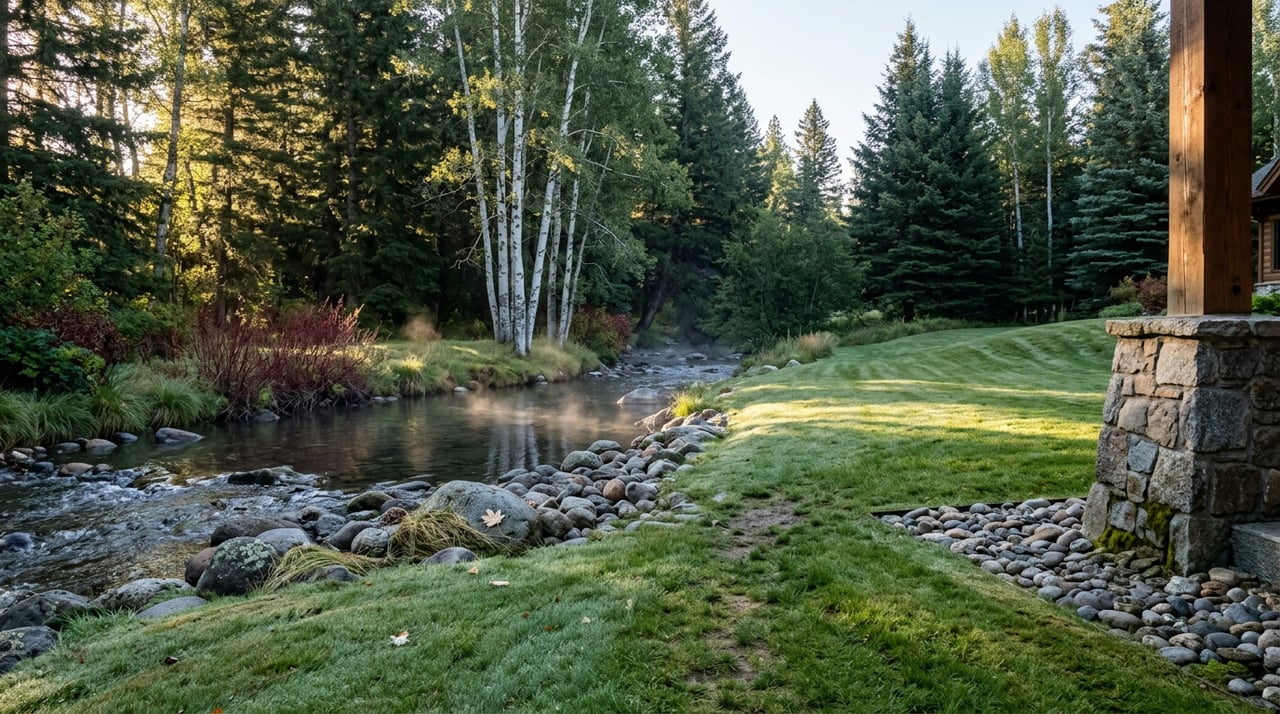
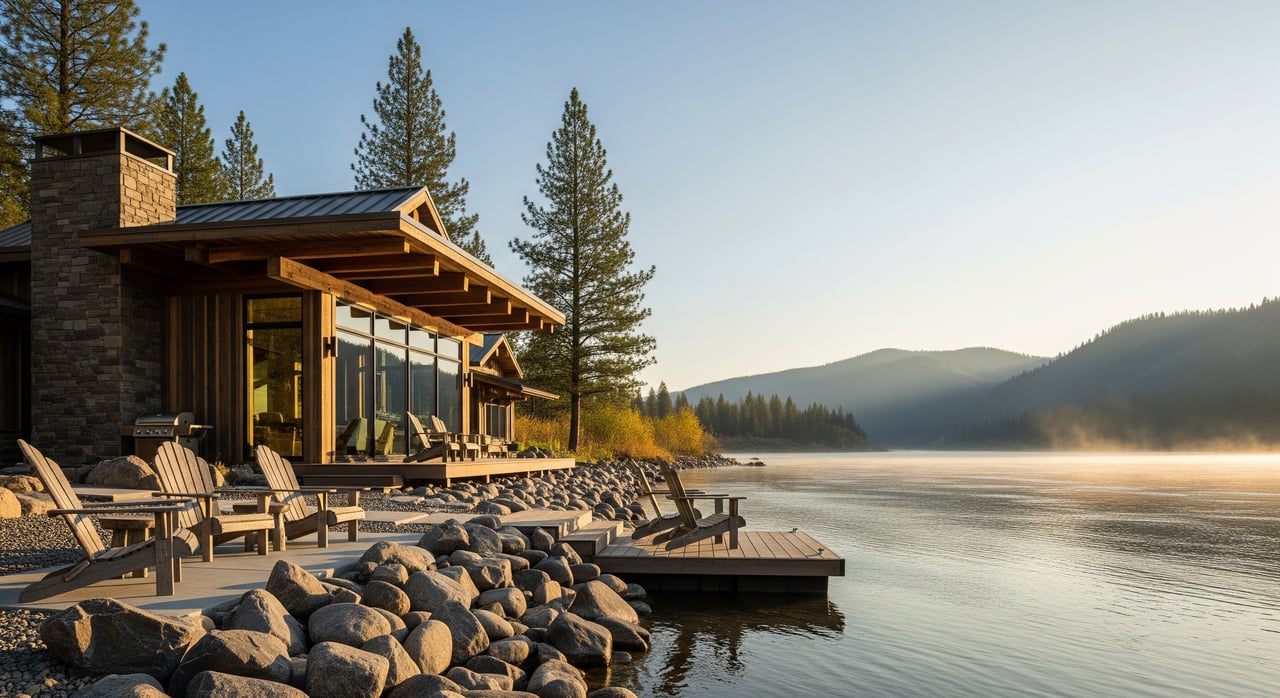
Swan Valley sits along the South Fork of the Snake River, with a mix of riverfront, creekside, and pond-front parcels. You will also see properties with access to Palisades Reservoir and nearby recreational waters.
Common waterfront types include:
- Riverfront cabins on the South Fork of the Snake River or nearby tributaries.
- Parcels along irrigation canals, ponds, or small private impoundments.
- Lots on seasonal creeks that may run low or dry late in summer.
- Properties with access to Palisades Reservoir or small lakes in the area.
Each option offers a different experience for fishing, boating, privacy, and views. Always confirm the exact waterbody for any listing and how it behaves seasonally.
Seasonal and lifestyle realities
Access and activity in Swan Valley change with the seasons. Summer brings trout fishing, rafting, and warm evenings on the deck. Winter brings snow and quiet, along with the need to plan for plowing, road maintenance, and cold-weather cabin care.
Snowpack and spring runoff can affect both access and shoreline conditions. High water can increase erosion and flood risk, which is why flood and bank stability checks are critical before you buy.
Legal foundations to confirm
Waterfront ownership and use come with extra layers of law and permitting. Plan to verify these items early in due diligence.
Deed boundaries and riparian rights
- Recorded deeds and plats determine your boundary and whether ownership extends to the mean high-water mark or stops short of it.
- Shoreline access and use can be shared, exclusive, or subject to easements. Confirm what you own vs. what is shared through county records.
Water rights
- In Idaho, water rights are separate from land ownership. Owning riverfront land does not automatically grant diversion or irrigation rights.
- Check the Idaho Department of Water Resources records to verify any surface or irrigation rights tied to the parcel.
Floodplain status
- Many riverfront parcels fall within FEMA-designated floodplains or floodways. Lenders often require a flood determination and may require flood insurance.
- If the home lies in a special flood hazard area, request an elevation certificate and discuss insurance early.
Docks, bank work, and shoreline alterations
- Docks, boat ramps, bank stabilization, and any in-water work may require permits from county, state, or federal agencies.
- Shoreline armoring such as riprap can be costly and may face strict review. Confirm feasibility and permits before you plan improvements.
Septic and wastewater
- Most rural waterfront cabins rely on septic. Capacity, age, permit status, and distance from the water matter, especially if you plan to host guests or rent the home.
- Some slower-moving waters may trigger tighter wastewater rules and potential system upgrades.
Short-term rentals and zoning
- Check Bonneville County ordinances and any HOA covenants for short-term rental rules, licensing, and occupancy limits.
- If you plan to rent, confirm that septic capacity and parking meet local standards for your target guest count.
Conservation and public access
- Conservation easements, fisheries protections, and wildlife considerations can limit development and shoreline changes.
- Verify any recorded easements and seasonal restrictions that may affect use or improvements.
Taxes and assessments
- Review parcel-specific tax history and any special assessments through the county assessor. Waterfront premiums and improvements can affect annual costs.
Site and infrastructure checks
A careful look at the site itself helps you anticipate maintenance, insurance, and long-term value.
Flooding and erosion
- Review historical high-water events, past flood claims, and bank stability.
- Ask for any elevation certificate and assess existing bank protection or prior repairs.
Access and road maintenance
- Confirm whether access is via a public road, private road, or easement and who maintains it.
- Private roads often require a formal road maintenance agreement. Winter plowing plans matter for year-round use.
Septic system and well
- Order a full septic inspection and pump-out, with permit history from the local health district.
- Test well water for potability and confirm the well log and permitted yield with state records.
Utilities and services
- Confirm power supply, propane or gas needs, and internet/mobile coverage. Rural service can vary by location.
- Understand how trash pickup, mail, and emergency response are handled at the property.
Wildfire risk and defensible space
- Evaluate vegetation, building materials, and access for firefighting. Some insurers require risk mitigation steps before binding coverage.
- Plan for ongoing defensible space maintenance.
Environmental concerns and wetlands
- If the property saw past agricultural or industrial use, consider soil and water testing.
- Wetland areas can limit buildable space and trigger additional permitting.
Boat access and moorage
- Private docks or shared ramps must be documented and permitted.
- Confirm whether the parcel includes shore-based storage, mooring rights, or community access agreements.
Insurance availability and cost
- Price homeowners, flood, liability, and wildfire coverage early in the process.
- Insurers often want inspection results and mitigation steps before finalizing policies.
Your step-by-step due diligence
Follow this simple timeline to keep your purchase on track and reduce surprises.
Pre-offer research
- Verify the legal parcel, deed, recorded easements, CCRs, and any restrictions through county records.
- Review seller disclosures and ask for details on water rights, flood history, and any past bank work.
- Check flood zone status and anticipate insurance requirements.
Inspections and professional reports
- General home inspection focused on moisture intrusion, foundation, and seasonal wear.
- Septic inspection and pump-out; confirm permits and capacity.
- Well inspection and water quality testing; verify well records and yield.
- Boundary and topo survey to confirm shoreline setbacks and the mean high-water mark where relevant.
- Elevation certificate if in or near a flood zone.
- Geotechnical review of bank stability if erosion is a concern.
- Wetland delineation if you plan near-shore improvements.
Permit and entitlement checks
- Confirm with Bonneville County Planning and Zoning that current improvements are permitted and future plans are feasible.
- Check with state and federal agencies for any in-water work or bank stabilization permits.
Financing and insurance
- Discuss waterfront appraisal factors with your lender. Features like access, flood zone, and usable site area can affect value.
- Get insurance quotes early for homeowners, flood, rental liability, and wildfire coverage.
Post-closing setup
- Record any easements or road maintenance agreements as needed.
- Implement wildfire and flood mitigation projects.
- If renting, secure required local registrations and update your insurer and lender.
Cost and risk planning
Even the best cabins require thoughtful planning. Build a realistic budget for:
- Insurance premiums for flood and wildfire coverage.
- Shoreline or bank stabilization, if needed.
- Septic repairs or upgrades and regular pump-outs.
- Well maintenance, filtration, or pump replacement.
- Road maintenance or HOA fees, especially on private roads.
- Permit application fees and professional reports.
Local resources to contact
- Bonneville County Assessor and Recorder for parcel records, taxes, deeds, and easements.
- Bonneville County Planning and Zoning and Building Department for zoning, setbacks, building permits, and shore work.
- County Emergency Management or local fire district for wildfire guidance and response details.
- Idaho Department of Water Resources for water rights, well logs, and permitted yields.
- Idaho Department of Environmental Quality for water quality and wastewater guidance.
- Idaho Department of Fish and Game for fisheries regulations and habitat considerations.
- Idaho Department of Lands for potential jurisdiction on navigable waterways and shoreland activities.
- FEMA Flood Map Service Center for flood zone mapping and elevation certificate guidance.
- U.S. Army Corps of Engineers for Clean Water Act permitting on waters and wetlands.
- U.S. Fish and Wildlife Service for any habitat and species considerations.
Final thoughts and next steps
Waterfront in Swan Valley offers a rare blend of natural beauty, recreation, and privacy. With the right due diligence, you can protect your investment and enjoy the lifestyle for years to come. If you want a seasoned partner to quarterback inspections, permits, and negotiations, our team is here to help you move with confidence.
Ready to explore Swan Valley waterfront cabins with a luxury advisor who knows East Idaho inside and out? Connect with Mountain West Luxury Living to map your plan.
FAQs
Do I own the riverbank and bed if I buy riverfront in Swan Valley?
- Ownership varies by deed, state law, and whether the waterway is considered navigable. Always confirm boundaries and any access easements in county records before you buy.
Will my lender require flood insurance for a Swan Valley waterfront cabin?
- If the home is in a FEMA special flood hazard area, most lenders require flood insurance. Even outside mapped zones, it is smart to price a policy due to proximity to water.
Can I add a dock or stabilize the bank on my Swan Valley property?
- Possibly, but you will likely need permits from county and state or federal agencies. Confirm feasibility and approvals before committing to design or construction.
Are septic systems a concern if I plan short-term rentals at my cabin?
- Yes. Older or undersized systems can limit occupancy and rental use. Get a septic inspection, verify permits, and confirm capacity for your intended guest count.
Do waterfront owners in Idaho automatically get water rights for diversion or irrigation?
- No. Water rights in Idaho are separately adjudicated. Check state records to verify which, if any, water rights are attached to the parcel and how they can be used.
Is there public fishing access near Swan Valley cabins, and does it affect my property?
- Many waterways in Idaho have public access points, but private shorelines remain private unless an easement exists. Verify any recorded access or conservation easements on your parcel.