Thinking about buying in Driggs to rent nightly? With ski-season spikes, summer adventure traffic, and evolving local rules, the difference between a smart investment and a stressful one comes down to your homework. You want dependable income without surprises, and you want to understand the real numbers before you commit. In this guide, you’ll learn how to evaluate demand, confirm regulations and taxes, choose the right comps, model a realistic pro forma, and plan operations that hold up year-round. Let’s dive in.
Start with local demand
Driggs sits in a true mountain-resort micro market. Performance swings with the seasons, and that is your first lens.
Winter ski traffic
- Proximity to Grand Targhee Resort drives winter bookings.
- Snow conditions, lift access, and season length affect occupancy and rates.
- Expect stronger demand around holidays and powder cycles.
Summer recreation and events
- Summer brings hikers, bikers, anglers, rafters, and visitors exploring the broader Grand Teton and Yellowstone region.
- Local festivals, races, and valley events can lift both ADR and occupancy on specific dates.
Access and seasonality
- Driggs benefits from Jackson Hole spillover when lodging tightens across the pass.
- Winter driving, road closures, and airport access shape traveler behavior and cancellations.
- Build your plan around monthly seasonality, not a single annual average.
Where to validate demand
- Grand Targhee Resort for visitor volumes, season calendars, and events.
- Visit Teton Valley or the Chamber of Commerce for tourism trends and event dates.
- City of Driggs and Teton County pages for economic and visitor context.
- STR analytics tools for ADR, occupancy, and RevPAR data by season.
Confirm rules and taxes
Regulations are local. Confirm them before you buy or list.
City vs. County
- Determine whether the property is inside the City of Driggs or in unincorporated Teton County. Rules and permits can differ by jurisdiction.
Ordinances and permits
- Review municipal code for STR definitions, licensing, owner-occupancy rules, safety standards, maximum occupancy, trash and parking, and enforcement.
- Some neighborhoods or buildings prohibit or restrict nightly rentals. Always check the HOA and CC&Rs.
Safety and operations
- Many communities require smoke detectors, egress standards, fire extinguishers, posted rules, and parking plans.
Taxes and compliance
- Confirm sales and lodging-related tax obligations and registration steps with the state and local authorities.
- Some municipalities require business licensing or STR registration.
- Rental income is taxable. Speak with a tax professional about federal and state filing.
Build a conservative pro forma
Your pro forma should reflect seasonal reality. Use local comps and assume swings in ADR and occupancy.
Core metrics
- ADR: Average revenue per occupied night.
- Occupancy rate: Percent of nights booked in a period.
- RevPAR: ADR × Occupancy.
- Gross annual revenue: ADR × Occupied nights (or ADR × Occupancy% × 365).
- NOI: Gross revenue minus operating expenses.
- Cash flow after debt service: NOI minus mortgage and financing costs.
Basic formulas
- Projected gross revenue = ADR × Occupancy% × 365
- RevPAR = ADR × Occupancy%
- NOI = Gross revenue − Operating expenses
- Cash flow = NOI − Debt service
Expense checklist
Management fees (verify local quotes for full-service vs. limited-service).
Cleaning and turnover costs.
Utilities and high-speed internet.
Linens, supplies, and replacements.
Maintenance and repairs, including snow and ice management.
Insurance tailored for short-term rentals.
Property taxes and any HOA dues.
Booking platform and payment processing fees.
Reserve for capital improvements and emergencies.
Sensitivity testing
- Model three scenarios for ADR and occupancy: best case, expected, and conservative.
- Calculate break-even occupancy to cover expenses and debt service.
- Use a monthly model with separate winter, shoulder, and summer assumptions.
Select smart comps
The right comps make or break your projections. Focus on true substitutes in the eyes of a guest.
How to choose comps in Driggs
- Match location and access first. Prioritize similar drive times to Grand Targhee, downtown Driggs, shuttle stops, and trailheads.
- Compare guest capacity and layout, not just bedroom count. Sleeping 10 competes with other high-capacity options.
- Align amenities. A hot tub, ski storage, mudroom, laundry, and pet-friendly policies influence ADR.
- Note minimum stays and host type. Full-time STRs price and book differently than part-time listings.
Where to source data
- STR analytics platforms for market-level and property-level ADR, occupancy, and revenue.
- Direct platform searches for active listings and seasonal pricing patterns.
- Local property managers and hotel operators for ground-truth on seasonality and operations.
A simple comp process
- Identify 6 to 12 close comps that match location, capacity, and amenities.
- Record advertised ADRs by month and note blocked vs. booked calendars.
- Use analytics tools or manager input to estimate realistic monthly occupancy.
- Calculate a seasonal pro forma for your subject property using those inputs.
Features that boost bookings
Properties that remove friction in winter and deliver comfort in summer tend to outperform.
- Proximity and access: Easy winter access with reliable snow removal and off-street parking.
- Ski-ready convenience: Mudroom, gear storage, boot dryers.
- Comfort essentials: Hot tub, full kitchen, laundry, high-speed internet, comfortable bedding.
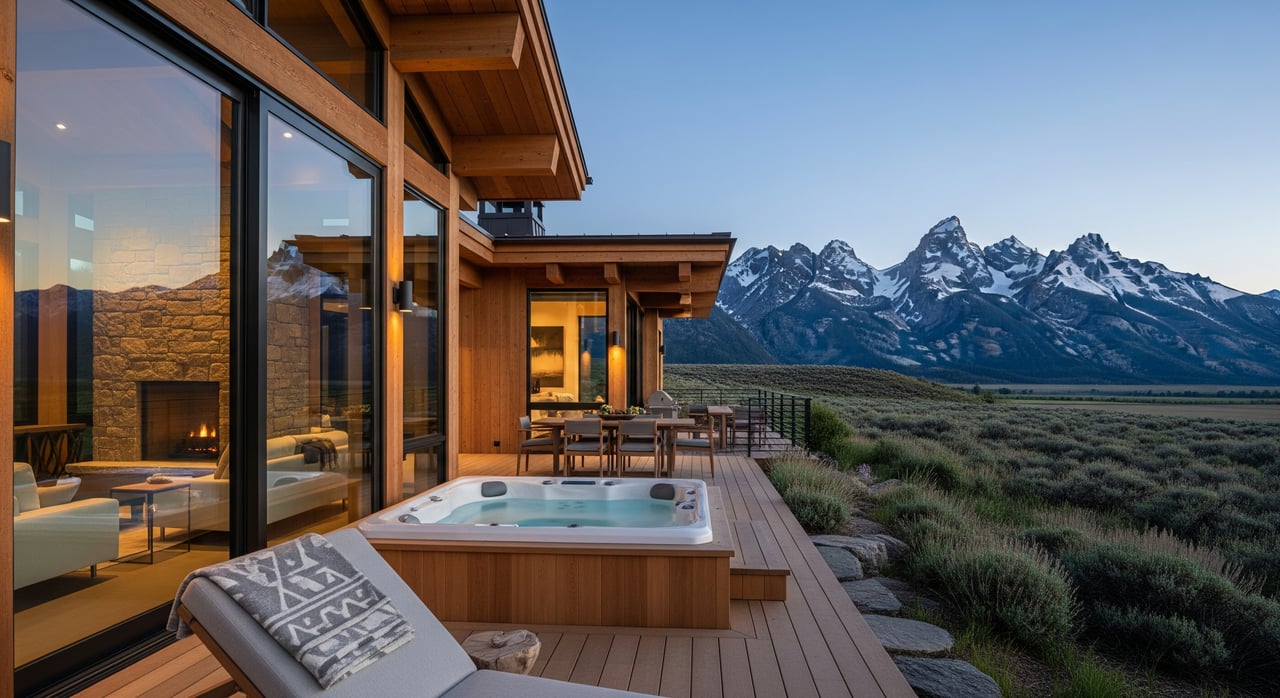
- Outdoor appeal: Mountain views, decks, grills, and seating for summer.
- Year-round readiness: Strong heating, insulation, and winterized plumbing to avoid closures.
Plan operations that scale
Decide how hands-on you want to be and design for peak season.
Self-manage vs. hire
- Self-management gives control but requires time and local vendors.
- Local professional managers handle bookings, guest screening, cleaning, repairs, and tax remittance. Get written quotes for fees and scope.
Turnovers and logistics
- Align cleaning capacity with peak check-out windows.
- Stock spare linens and coordinate laundry capacity.
- Clarify parking, noise, trash, and snow rules to protect neighbor relations.
Pricing and guest communication
- Use dynamic pricing tools or a manager’s expertise to adjust ADR for seasons, events, and lead time.
- Set clear house rules and use keyless entry and automated messaging to boost reviews and reduce on-site calls.
Insurance, risk, and backups
Protect your asset like a hospitality business.
- Obtain STR-specific or commercial coverage. Many standard homeowner policies exclude nightly rentals.
- Confirm coverage for hot tubs, wood stoves, and liability.
- Set damage deposits or use platform protections, and document pre- and post-stay conditions.
- Keep reserves for low-season months, regulatory changes, or weather disruptions.
Buyer and seller next steps
- Confirm jurisdiction. Verify City of Driggs or Teton County rules and any registration needs.
- Check HOA and CC&Rs. Get documents early and verify STR permissions.
- Run comps. Assemble 6 to 12 close analogs and map seasonal ADR and occupancy.
- Build a monthly pro forma. Include all operating costs, financing, and reserves.
- Inspect physical suitability. Review plumbing for freeze risk, snow removal logistics, parking, septic vs. sewer, and HVAC.
- Get local quotes. Speak with property managers, cleaners, and insurers for real fees and coverage details.
- Confirm taxes and licensing. Register as required and consult a tax professional for filing and deductions.
- Plan operations. Set standard operating procedures, vendor contacts, guest messaging, and dynamic pricing.
When you want a trusted local advisor, we can help you evaluate nightly rental potential, source accurate comps, and position your property for premium appeal. From curated acquisition guidance to design-forward staging and renovation, you get a boutique experience backed by local execution. If you are exploring a purchase or preparing to list, connect with us at Mountain West Luxury Living.
FAQs
How do I forecast revenue for a Driggs STR?
- Identify 3 to 5 close comps, estimate monthly ADR and occupancy using STR analytics and manager input, then build a seasonal pro forma and subtract realistic expenses.
Are nightly rentals allowed in all Driggs locations?
- Rules vary by City of Driggs vs. unincorporated Teton County and by HOA. Review municipal code, county regulations, and CC&Rs before you buy or list.
Which home features increase bookings in Driggs?
- Year-round access, snow-ready parking, a mudroom or ski storage, hot tub, laundry, high-speed internet, and outdoor spaces with views can lift ADR and occupancy.
What expenses do owners often underestimate?
- Cleaning and turnovers, snow removal, STR-specific insurance, supplies, and booking platform fees are commonly underestimated in pro formas.
Should I self-manage or hire a manager?
- It depends on your time and local vendor network. Managers handle bookings, guest support, cleaning, maintenance, and tax remittance for a fee.
How do seasonal swings affect cash flow?
- Winter and summer can be strong, but shoulder months may be slower. Model monthly revenue and keep reserves to cover low-season gaps and unexpected costs.