Dreaming of a quiet retreat where trout water, mountain air, and open space are part of your routine? If Swan Valley is on your short list for a second home, you’re in good company. You want a place that fits how you plan to use it, stays comfortable through the seasons, and carries costs you can predict. This guide breaks down property types, how intended use should shape your search, and the access, utilities, and holding-cost details specific to Swan Valley so you can buy with confidence. Let’s dive in.
Why Swan Valley for a second home
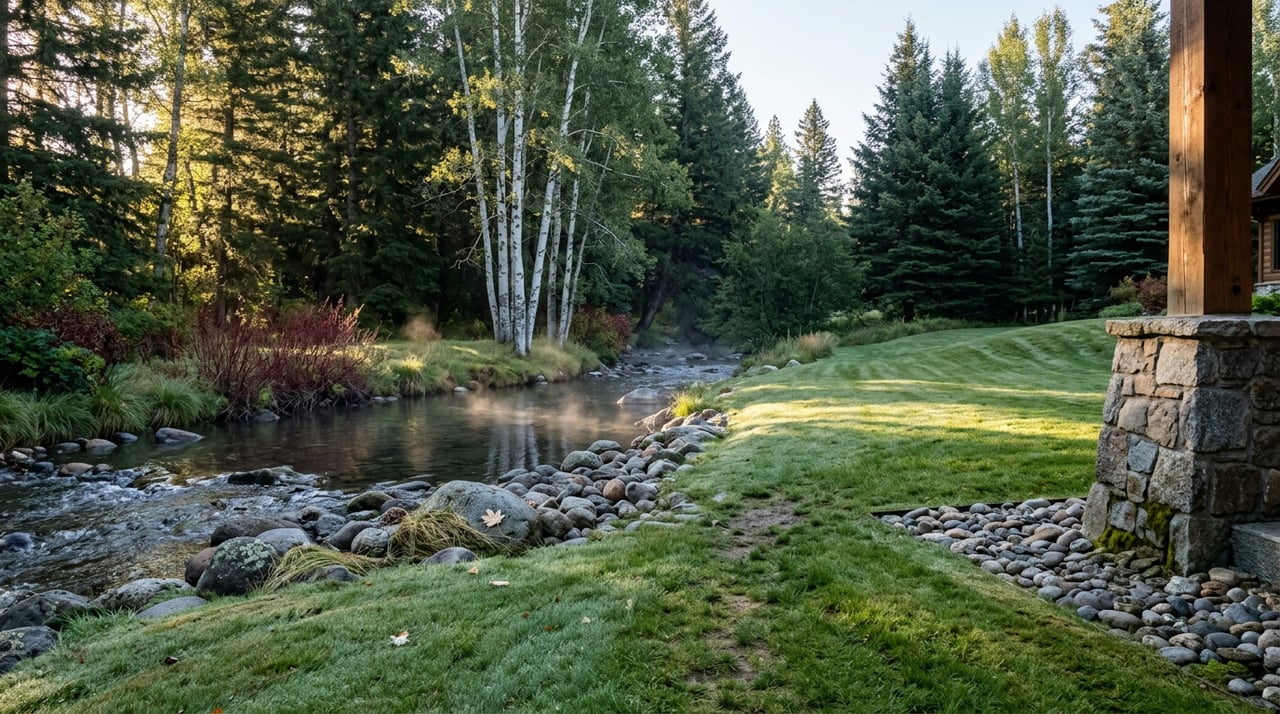
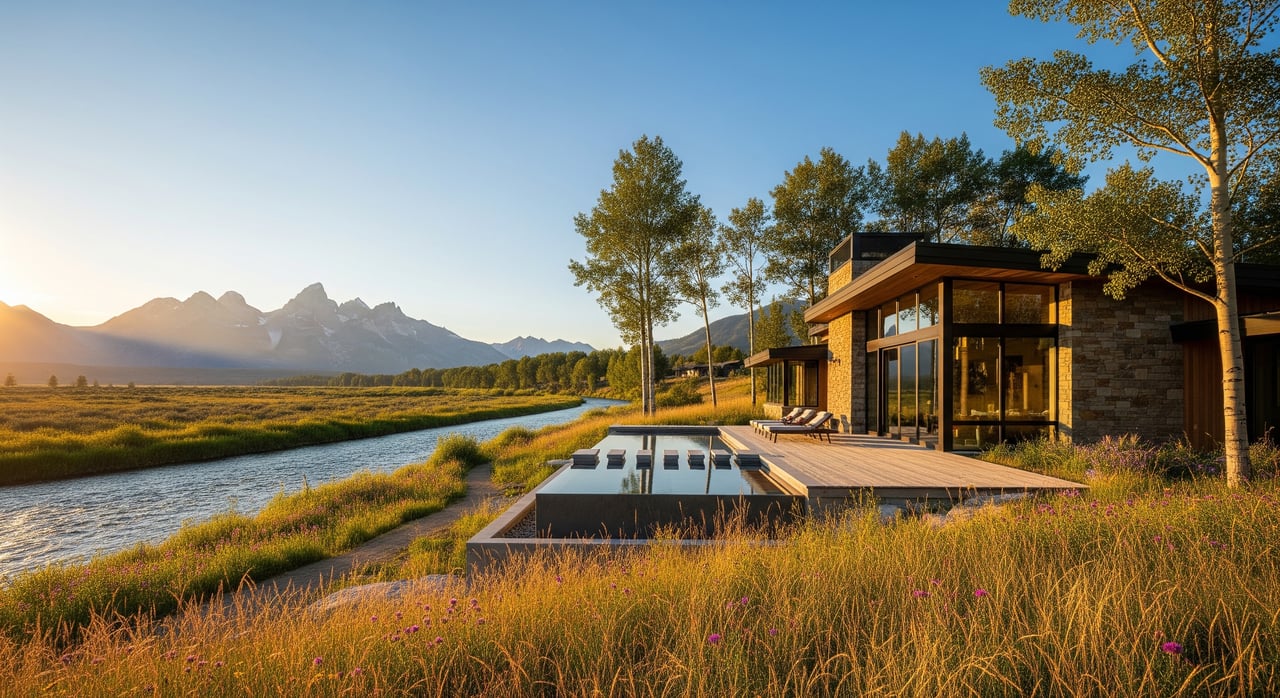
Swan Valley sits in Bonneville County in eastern Idaho, known for a rural feel, access to the South Fork of the Snake River, and year-round outdoor recreation. You’ll find cabins, older homes, riverfront parcels, and small ranches with room to breathe. Inventory is more limited than in larger resort towns, so clarity on your priorities helps. For recreation context and river access information, explore the Idaho Department of Fish and Game.
Zoning and building rules for many properties in and around Swan Valley fall under county jurisdiction. Before you assume a use or an expansion is allowed, review current standards with Bonneville County. Some parcels border public land managed by the U.S. Forest Service or BLM, which can affect access and permit requirements.
Property types in Swan Valley
Cabins and seasonal retreats
Cabins range from rustic to lightly updated. Many rely on propane heat, wood stoves, or generator backup. Some sit on roads that are rough or not maintained in winter, which makes seasonal use practical and year-round living harder. Plan for winterization if you will not occupy the home in cold months.
Riverfront on the South Fork
River properties are prized for fishing and water proximity. Expect riparian setbacks, possible public access easements, and a need to confirm floodplain status. Riverbanks and elevations vary by parcel, so site-specific diligence is key. Water rights and Idaho stream access rules can shape what you can and cannot do on the land.
Small ranches and recreational acreage
If you want space for horses, livestock, or privacy, look at small ranches and larger parcels. Wells and septic systems are typical, with fencing and outbuildings common. On bigger acreage, pay attention to access to county roads, distance to services, and wildfire mitigation needs around structures.
Year-round residential homes
You will find homes that are built and insulated for year-round use. These typically feature full utility connections, wells with adequate yield, and septic systems that meet county standards. If year-round access matters, focus on properties tied to maintained county or state roads and confirm winter road clearing.
Match the home to your use
Your intended use is the most important filter in a Swan Valley search. It will shape location, access, systems, storage, and insurance choices.
Access and road maintenance
- Seasonal use: You can accept steeper driveways, gated or unimproved road segments, and limited winter maintenance. A seasonal cabin can be a great base for summer and shoulder seasons.
- Year-round use: Prioritize maintained access with clear responsibility for winter plowing. Confirm who maintains the road, such as the Idaho Transportation Department for state highways or Bonneville County for local roads, and whether any private road has a recorded maintenance agreement.
Utilities and comfort
- Seasonal: Off-grid or lighter systems can work. Propane, a small generator, and a wood stove may cover comfort needs for shorter stays.
- Year-round: Look for reliable heating, adequate fuel storage, strong insulation and air sealing, and verified well yield and septic capacity. Energy efficiency matters when temperatures drop.
Maintenance and winterization
- Seasonal: Plan to winterize water lines, secure the property, and set up periodic checks. You may hire a local manager for close-down and reopen routines.
- Year-round: Ensure freeze protection is in place for plumbing, manage snow loads and access, and keep fuel deliveries consistent.
Storage, vehicles, and gear
- Seasonal: You will need secure storage for boats, rafts, ATVs, snowmobiles, and fishing gear. Onsite garages or sheds simplify life. If storage is offsite, factor travel time and fees.
- Year-round: Consider space for snow removal equipment, covered parking, and driveway slope that remains workable in winter.
Insurance and liability
Vacant or intermittently occupied properties can carry different insurance terms and rates. Ask your insurer about vacant versus occupied policy language, wildfire and wind coverage, and flood coverage where relevant. If a property lies in a mapped floodplain, learn more through the FEMA Flood Map Service Center.
Utilities and services: what to verify
Buying rural means you verify everything by the exact address. Two similar-looking parcels can have very different utility realities.
Water and water rights
Most rural properties use private wells. Request the well log, pump details, and recent water quality tests for bacteria and nitrates. If the parcel includes irrigation or surface water, confirm recorded rights and priority with the Idaho Department of Water Resources. Ownership of land does not automatically include rights to divert or use water.
Septic and wastewater
On-site septic systems are common. Inspect the tank and drain field, ask about the last pump date, and confirm permit compliance. Replacement standards and setbacks are specific, so coordinate early with the Idaho Department of Environmental Quality and local health authorities.
Electricity and energy
Overhead rural power lines can be reliable, but outages can vary by micro-area. Confirm the electric provider and typical outage patterns with neighbors and service records when available. Propane is common for heating and cooking, so ask about tank ownership or leases, delivery schedules, and winter access for trucks.
Broadband and phone
Coverage varies widely. Check the FCC Broadband Map and verify service and speeds with local ISPs by the property’s exact address. If remote work is critical, test onsite and outline backup options such as satellite or cellular hotspots.
Roads and emergency services
Confirm who clears the road in winter, and whether a private driveway requires owner plowing. Ask about response times for ambulance, fire, and sheriff services. Plan your distance to groceries, fuel, healthcare, and mechanical services during winter months.
Holding costs and financing basics
Your total cost to hold a second home includes taxes, insurance, utilities, and upkeep. Build a clear budget so the property remains a joy, not a surprise.
Property taxes
Assessments vary with land use, improvements, and water proximity. Use the Bonneville County Assessor resources through Bonneville County to estimate taxes for specific parcels.
Insurance
Discuss coverage for homeowners, liability, flood if applicable, and wildfire or wind. Remote or forest-adjacent properties can carry different premiums or underwriting rules. If you plan to leave a home vacant for long stretches, ask about endorsements that apply to unoccupied periods.
Maintenance and upkeep
Budget for routine work like septic pumping, well servicing, driveway care, roof and exterior checks, and seasonal close-down or opening. A common rule of thumb is 1 to 2 percent of property value per year for maintenance, but confirm with local contractors based on age and condition.
Utilities and minimum fees
Some providers charge minimum monthly fees even when usage is low. Keep an eye on electric base charges, propane tank leases, and standby internet or phone plans. Winter fuel deliveries should be planned ahead for access and supply.
Property management and security
If you will not be nearby, plan for a caretaker or property manager for regular check-ins and emergency response. Snow removal, winterization, and vendor coordination are common needs. Storage and security systems can reduce risk and simplify trips.
Financing for second homes
Second-home financing can differ from primary residences, including down payment and reserve expectations. If you plan to rent the property, that can shift you to investment loan products with different rates and requirements. For consumer-facing guidance, start with the Consumer Financial Protection Bureau and verify loan categories and underwriting differences with your lender. Rural property factors like well, septic, and road access can affect approval, so choose lenders experienced in Idaho second homes.
Rules, risks, and due diligence
Understanding local rules early will protect your time and budget.
Floodplain and riparian setbacks
River-adjacent parcels may fall within mapped floodplains or have stream setback requirements. Use the FEMA Flood Map Service Center to check parcel-level risk, then confirm with county staff. Elevation, bank stability, and historic water levels are site-specific.
Wildfire risk and mitigation
Eastern Idaho experiences periodic wildfire risk. Review defensible space and mitigation practices with the Idaho Department of Lands, then apply them around structures and access roads. Insurers often view documented mitigation favorably.
Short-term rental rules
If you are considering vacation rental use, verify county ordinances, safety standards, and any subdivision covenants. Business licensing and lodging tax obligations may apply in some cases. Start with county ordinance pages through Bonneville County and review recorded CC&Rs during your contingency period.
Easements and private roads
In rural areas, recorded easements for access and utilities are essential. Confirm any shared road agreements and associated maintenance costs. These obligations can affect both livability and financing.
Your Swan Valley buying checklist
Use this quick checklist to organize your search and due diligence:
- Confirm property jurisdiction and zoning with Bonneville County and identify any federal land adjacency that could affect access or permits.
- Verify road access and who maintains it in winter. For state routes, check the Idaho Transportation Department; for county roads, contact Bonneville County.
- Confirm the water source. Request well logs, pump details, yield, and full water quality testing. For surface or irrigation water, verify rights with the Idaho Department of Water Resources.
- Inspect the septic system. Ask for permits, service records, and a professional evaluation. Align plans with the Idaho Department of Environmental Quality standards.
- Check floodplain status and riparian setbacks using the FEMA Flood Map Service Center.
- Verify utility providers and broadband availability by exact address. Cross-check with the FCC Broadband Map.
- Review recorded easements, covenants, and any road maintenance agreements.
- Order a home inspection geared to rural and cold-climate systems. Include insulation, roof, foundation, plumbing, and HVAC.
- Speak with insurance agents experienced in rural Idaho about wildfire, wind, flood, and vacant or unoccupied coverage.
- Confirm loan product fit as a second home or investment, and lender requirements for well, septic, and access. Start with consumer resources from the Consumer Financial Protection Bureau.
- If considering rentals, verify county short-term rental rules and tax requirements through Bonneville County.
- Build a holding-cost plan for taxes, insurance, utilities, fuel, maintenance, storage, and management. Include a reserve for surprises.
Local guidance that simplifies every step
A second home in Swan Valley should feel like an effortless retreat, not a project. You deserve clear answers about wells, septic, flood maps, winter access, and what it takes to live comfortably through the seasons. Our team brings luxury-level service and grounded local execution across East Idaho, from property search and due diligence to introductions to trusted lenders, inspectors, and contractors. If Swan Valley is your ideal base for fishing, snow sports, and quiet weekends, we will help you choose wisely and negotiate with confidence.
Ready to explore properties that fit your lifestyle and budget plan? Connect with the advisors at Mountain West Luxury Living to schedule a Free Consultation.
FAQs
What types of second homes are common in Swan Valley?
- You will see rustic cabins, riverfront parcels, older single-family homes, and small ranch or acreage properties, each with different access, utilities, and maintenance needs.
How does seasonal versus year-round use affect my search?
- Seasonal use can work with rough roads and lighter systems, while year-round living requires maintained winter access, reliable heating, well yield, septic capacity, and better insulation.
What utilities should I verify before buying in Swan Valley?
- Confirm well details and water quality, septic permits and function, electric provider and outage history, propane logistics, broadband speeds by address, and winter road maintenance.
Are riverfront properties in Swan Valley at risk of flooding?
- Some are. Use the FEMA Flood Map Service Center to check parcel risk, then confirm setbacks and history with county staff since risk varies by site.
Do I need water rights to use water on my property?
- Land ownership does not automatically include water rights. Confirm any irrigation or diversion rights and priority with the Idaho Department of Water Resources before you buy.
What should I budget for ongoing ownership if I’m not local?
- Include taxes, insurance, utilities, fuel, septic and well service, snow removal, storage, and property management. Many owners plan around 1 to 2 percent of property value per year for maintenance, then adjust based on condition and quotes from local vendors.