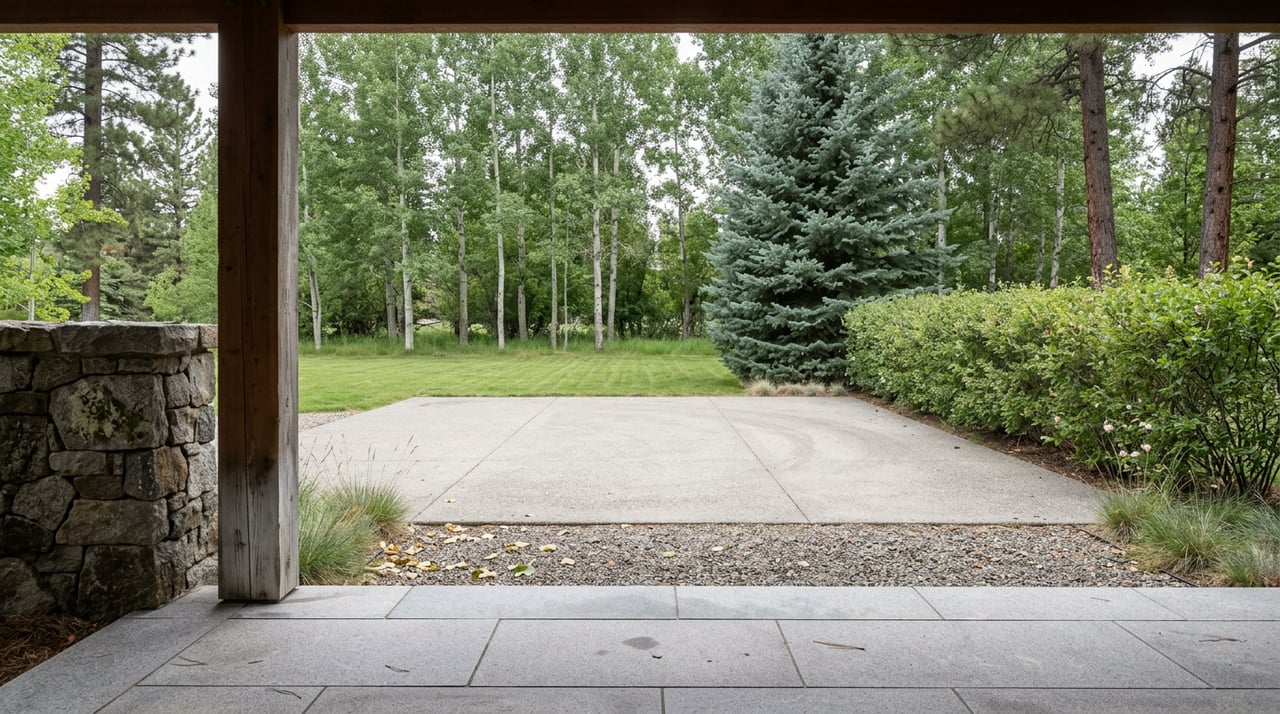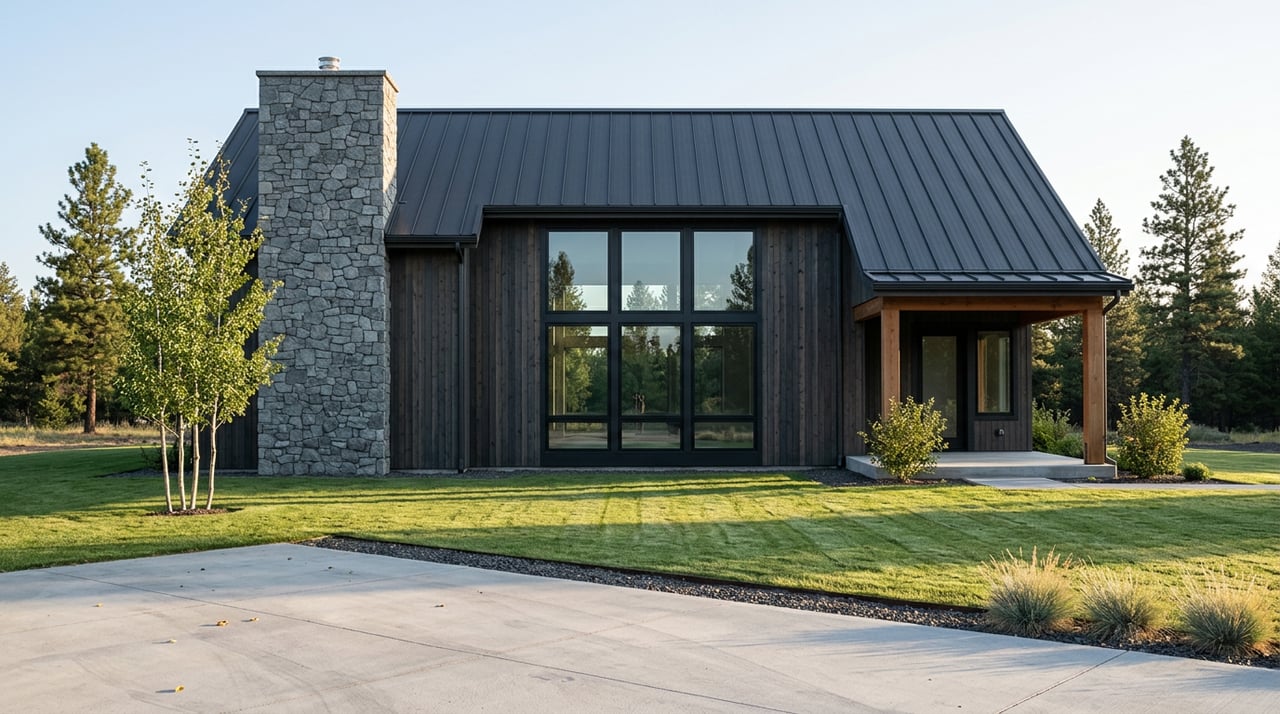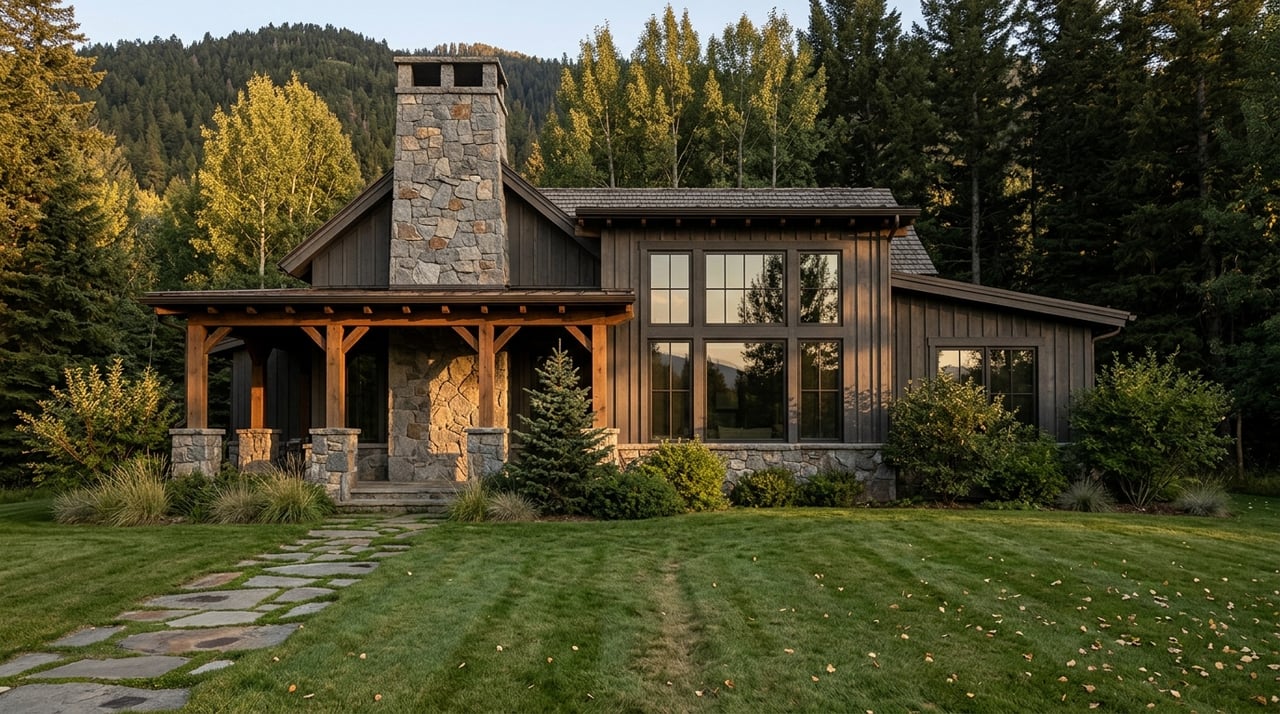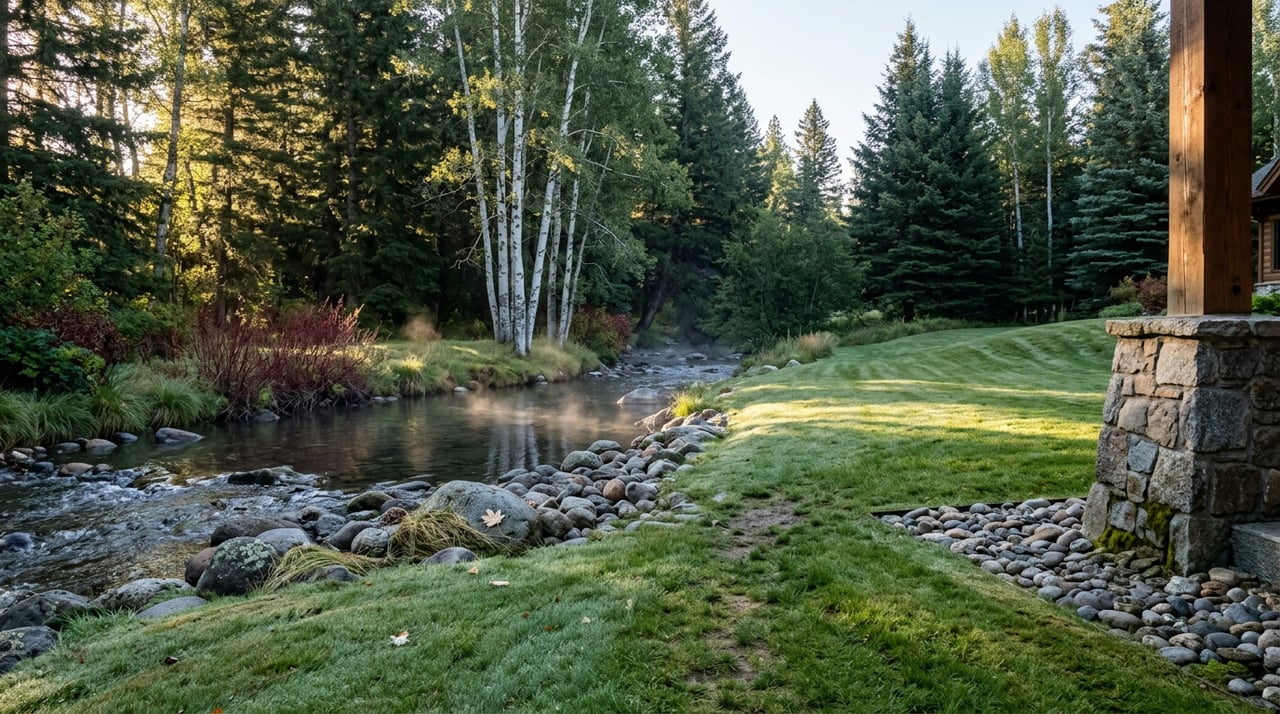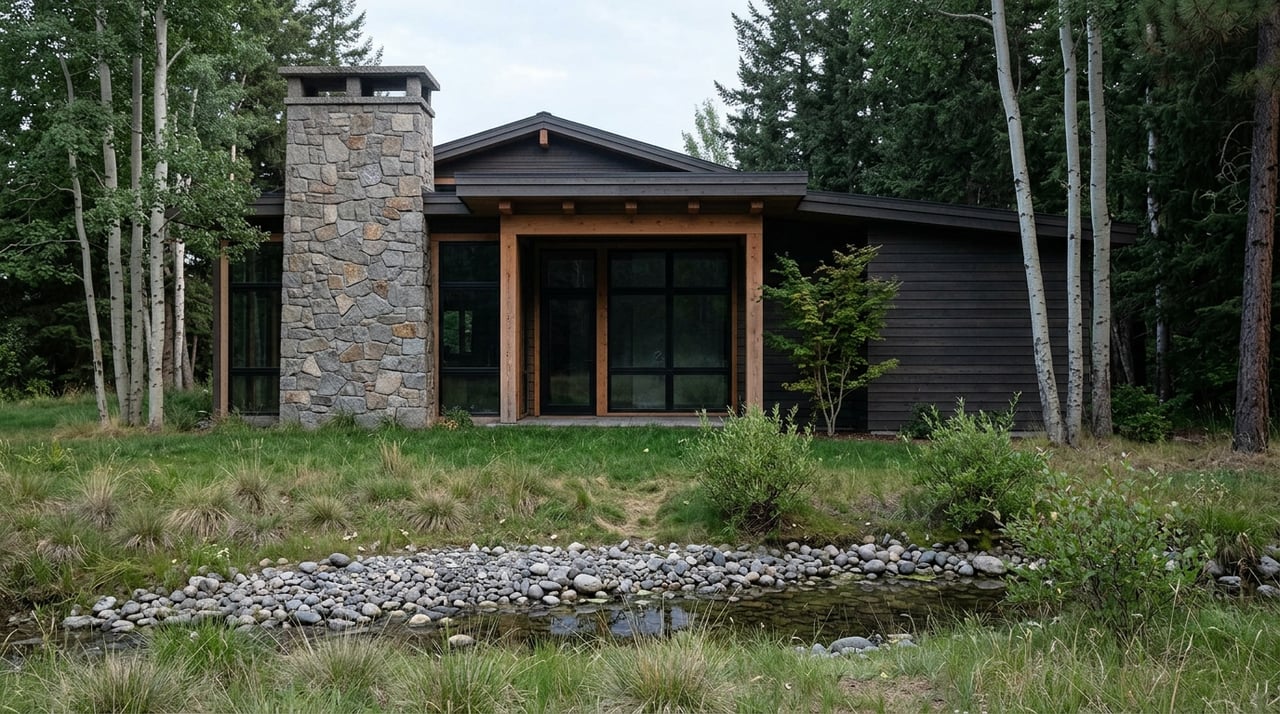
Stand on the open bench above the South Fork of the Snake River in Swan Valley on a September afternoon and it is easy to see why someone would want to build there. The ground rolls gently toward the water, cottonwoods line the bank, and the view stretches uninterrupted toward the Snake River Range. It looks like exactly the kind of parcel a buyer pictures when they imagine a second home in this stretch of Idaho.
It is also exactly the kind of parcel a land trust has spent the last three decades trying to protect. That is not a coincidence, and it is the first thing a serious buyer or seller in Swan Valley needs to understand before an offer gets written. The features that make a piece of ground look most buildable, the open bench, the river frontage, the water running to the property line, are often the same features that already carry legal limits most people never think to ask about until they are sitting at the closing table.
The Bench That Looks Open Is Often the Bench Already Spoken For
Pine Creek Bench sits above the South Fork in Swan Valley, and it has become one of the more active conservation targets in the region for exactly the reason described above. The Bradford family placed 140 acres of farmland there under a permanent conservation easement held by the Teton Regional Land Trust, land the trust describes as one of the last unprotected pieces on the bench, bordered by other conserved farms and by land the Bureau of Land Management already owns. Josh Holmes, the trust's Land Protection Specialist who worked on the project, put it simply: "anytime you see an inholding conserved, you know the resources have a greater chance of remaining intact."
That easement built on earlier work on the same bench. Delbert and June Winterfeld had already placed 160 acres of Pine Creek Bench under easement, a project the land trust says brought protection on the bench overlooking the South Fork to 46 percent of the private ground there, and the Bradford parcel is more of that same pattern closing in around what remains unprotected. Zoom out further and the pattern holds across the river corridor: conservation groups working with willing landowners over almost three decades have permanently shielded more than 26,000 acres of the South Fork from future development, land that supports what federal wildlife officials describe as the largest native cutthroat trout fishery outside Yellowstone National Park.
None of this means Swan Valley riverfront is off limits to buyers. It means a meaningful share of the most scenic ground on the market already has a second layer of ownership sitting on top of the deed, one that has nothing to do with zoning and everything to do with a document a title search will not always surface unless someone knows to look for it.
What a Conservation Easement Actually Locks In
A conservation easement is permanent. It runs with the land forever, regardless of who buys it, and it survives every future sale. The Teton Regional Land Trust requires written notice any time a protected property sells, is gifted, or moves into a trust, and asks new owners to review the "Subsequent Transfers" section of the original easement document so they understand exactly what they can and cannot do on the property before they close. Many easements include a list of reserved rights, things the landowner is still allowed to do, and the trust asks for prior written approval before an owner exercises them, even when the easement technically does not require it.
This is the detail that catches buyers off guard. An easement does not always mean zero building. It usually means a defined, sometimes very narrow, building envelope, often tied to an existing structure's footprint, with everything else on the parcel locked into its current use permanently. A property can look like forty open acres and legally function like four.
The Water Might Be a Separate Sale Entirely
Layered on top of that is a second document most out-of-state buyers do not expect: the water right itself. Idaho treats water as public property, and a water right is a separate legal interest from the land it serves, not an automatic feature of ownership. Some rights are appurtenant, meaning they are intended to run with the land, but even those still have to be conveyed correctly in the deed. Others are held separately by the seller and transfer only through a specific, written assignment. A deed that is silent on water rights does not guarantee the buyer inherits anything more than dry acreage.
Idaho allocates water under the doctrine of prior appropriation, summarized locally as first in time, first in right. Two properties sitting side by side on the same stretch of river can carry water rights decades apart in priority date, and in a dry year, the older right gets served first. The state's own regulator can require rights to be re-verified and correctly assigned to the new owner, and a right left unused for five or more years can be forfeited under Idaho law entirely. Sorting all of this out is not a small task. Idaho's Snake River Basin Adjudication, a court proceeding created specifically to inventory every water right in the basin, ran from 1987 to 2014 and resolved more than 158,000 individual claims before it closed. That is the scale of paperwork underlying a river most buyers assume simply comes with the property.
Irrigated bench land adds another wrinkle. A lot of acreage outside town limits draws water through a canal or ditch company rather than directly from the river, and those rights are often held as company shares rather than individual state permits. Shares typically transfer only through the company's own bylaws, sometimes requiring board approval, and they carry ongoing annual assessments the buyer inherits along with the water.
Here is the gap between what a listing shows and what the paperwork actually controls:
| What the photo shows | What the paperwork determines |
|---|---|
| Green lawn or hay ground running to the river | Whether an active water right, appurtenant or separate, actually serves that ground and transfers with the sale |
| Open bench with no visible fencing or restrictions | Whether a conservation easement already limits the buildable footprint, sometimes to a single existing structure |
| A drift boat or dock at the bank | Whether the frontage itself, or public access along it, is governed by an easement's reserved rights |
What to Verify Before You Write an Offer
A few questions, asked early, settle most of this before it becomes a closing-week surprise:
- Is there a recorded water right tied to this parcel, and what is its priority date? IDWR's public records are searchable by name, location, or right number.
- Is the right appurtenant to the land, or held separately by the seller, and does the purchase agreement say so explicitly?
- Is the property currently, or was it ever, part of a canal or ditch company, and do those shares transfer automatically or require company approval?
- Is there a conservation easement recorded against the property, and if so, what does its Subsequent Transfers section require of a new owner?
- If the easement holder is the Teton Regional Land Trust, has anyone contacted the trust directly to confirm the reserved rights before assuming a building envelope exists?
If You Are the One Selling
For a seller preparing to list riverfront or bench acreage in Swan Valley, the water right and the easement documentation are worth pulling before the property ever goes to market, not after an offer arrives and a buyer's attorney starts asking questions. A gap discovered mid-transaction rarely kills a deal outright, but it almost always costs time, and time is the one thing a premium seller cannot get back once a buyer starts to lose confidence.
An easement is also not automatically a mark against value. For the right buyer, someone drawn to Swan Valley precisely because it is not crowded, a documented, permanent view across a conserved bench or an assured stretch of undeveloped riverbank is a durable amenity no future zoning change can take away. The story just has to be told accurately, with the reserved rights and building envelope laid out plainly rather than left for a buyer's attorney to discover during due diligence.
A Few Questions Buyers Ask First
Does a conservation easement mean I can never build? Not necessarily. Most easements reserve a defined building envelope, often tied to an existing home's footprint, while restricting new construction everywhere else on the parcel. Read the easement document itself, not just the listing description, to know what is actually reserved.
Can I still fish or use the riverbank? It depends on the specific easement and, separately, on any public access agreements tied to the parcel. Public access along parts of the South Fork corridor has been preserved through agreements with agencies like the Bureau of Land Management, but private frontage rights vary property to property.
Do I need a water rights attorney before closing? For any parcel with irrigation, a private well beyond simple domestic use, or canal company shares, yes. A specialist can confirm the right's status, priority date, and transfer requirements before you are contractually committed.
Swan Valley rewards buyers and sellers who do this homework early, and it is exactly the kind of local, document-level detail that separates a smooth closing from a stressful one. If you are weighing a riverfront or bench property here, Mountain West Luxury Living can walk the water rights and easement history with you before you write an offer, or help you position a property's conservation status as the asset it actually is when you are ready to sell. Schedule a free consultation to start with the paperwork, not just the photos.