If you want to sell a Swan Valley cabin at the right moment, fall can be a smart target, but only if you prepare well before the leaves turn. In a market shaped by recreation, weather, and rural property details, timing affects everything from photography to buyer traffic. The good news is that with the right plan, you can position your cabin to catch attention before peak fall demand arrives. Let’s dive in.
Why early fall timing matters in Swan Valley
Swan Valley is closely tied to the outdoor lifestyle that brings people to this part of East Idaho. The City of Swan Valley describes Swan Valley, Irwin, and Palisades as scenic river communities with year-round recreation, and Jackson Hole is about a 45-minute drive away. That setting gives cabin buyers more than a home to consider. They are also weighing access, views, and the broader mountain experience.
Seasonal traffic shifts quickly here. Falls Campground typically runs from late May through early September, Mesa Falls Scenic Highway closes after the first plowable snowfall, and Idaho hunting and bird seasons begin building activity from late August into October. That makes a strong case for listing before the main fall recreation wave is fully underway, not after it.
For many sellers, the most practical window is late August to early September. That timing can help you present the property while landscaping still looks strong, access is easier, and buyers can clearly see the outdoor features that help a Swan Valley cabin stand out.
Start planning 8 to 12 weeks ahead
A successful fall sale usually starts in early to mid-summer. If you wait until September to begin repairs, staging, or listing prep, you may miss the best presentation window. Cabin properties often need more lead time than an in-town home because rural systems and exterior features matter so much.
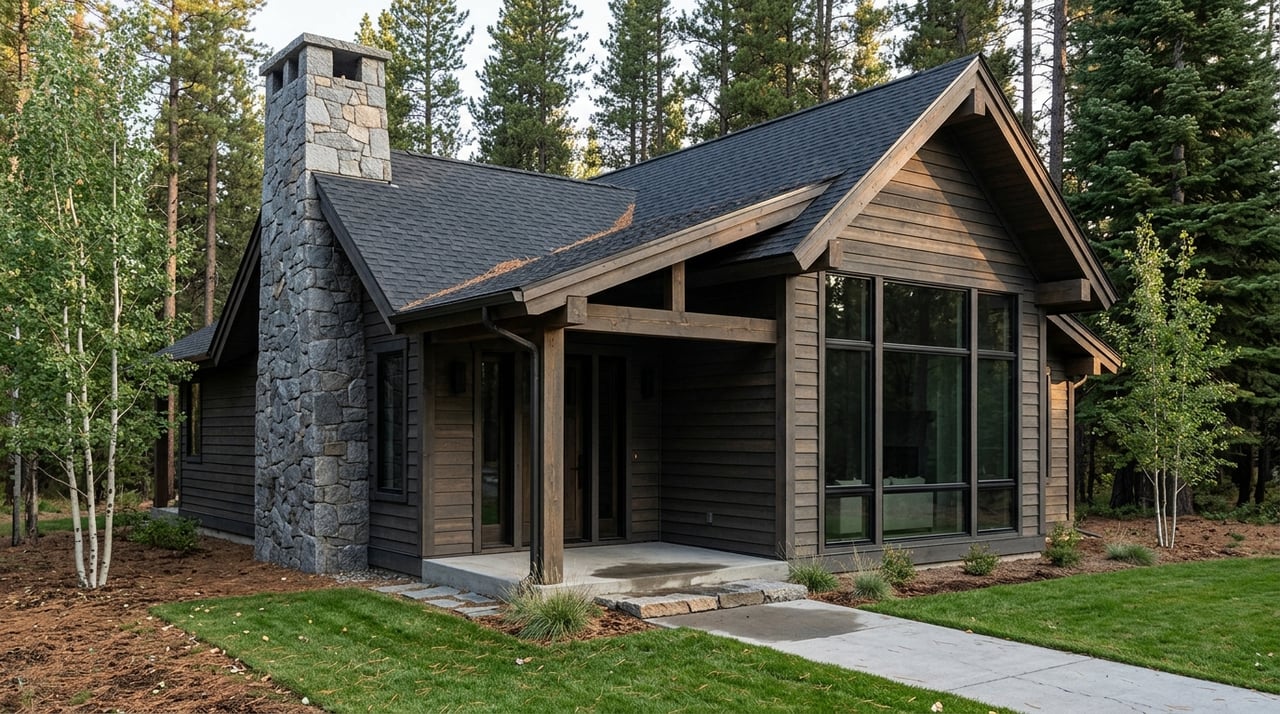
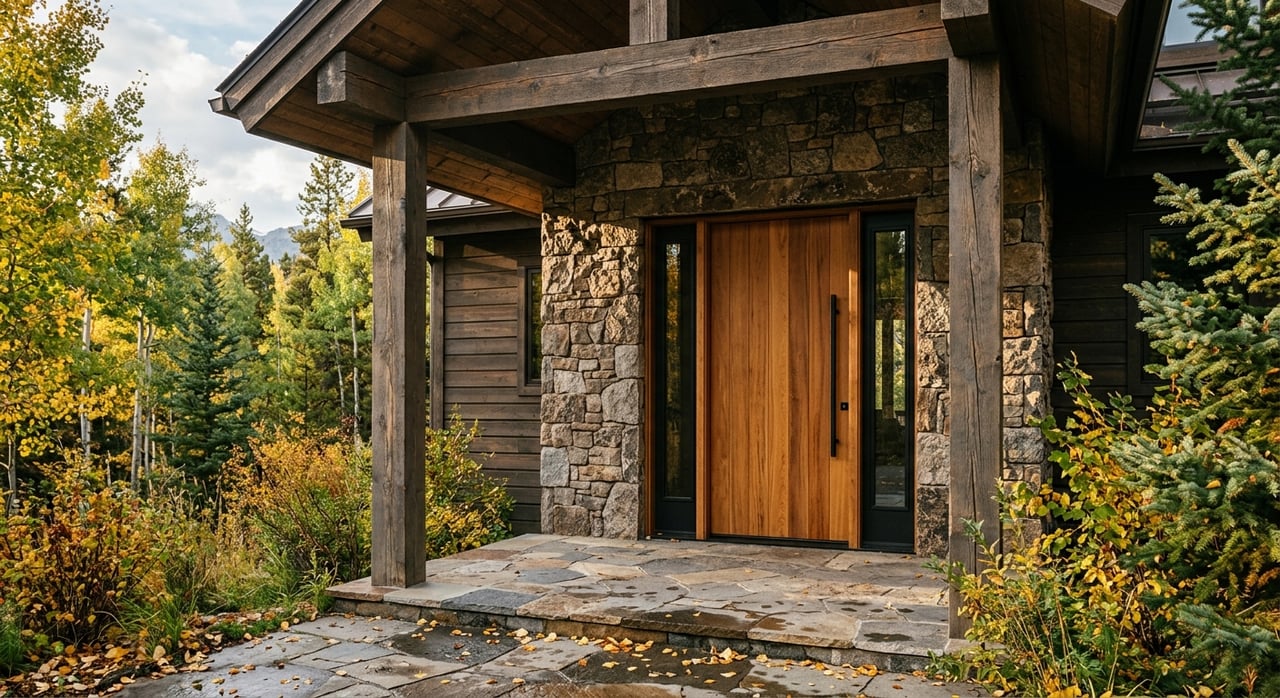
This is the stage to think like a buyer walking the property for the first time. They will notice the cabin itself, but they will also pay attention to the roof, deck, siding, drainage, driveway, and exterior storage. In Swan Valley, those practical details can shape confidence just as much as the interior finishes.
You should also use this time to organize any questions tied to rural systems. The EPA recommends annual private well testing and says septic systems should be inspected before purchase. Getting ahead of those items can help reduce surprises once your home is on the market.
Focus on condition before cosmetics
Before you choose throw pillows or book a photographer, make sure the cabin is functioning as it should. Buyers tend to respond better when a home feels cared for at every level. A polished listing starts with the basics.
Your early checklist may include:
- Checking the roof and gutters
- Reviewing drainage around the home
- Inspecting decks, stairs, and railings
- Looking at siding and exterior wear
- Tidying driveway access and parking areas
- Reviewing well and septic records
- Gathering service receipts and repair invoices
If you added structures or features over time, this is also a good point to review paperwork. The City of Swan Valley says structures over 120 square feet require a permit, and Idaho handles HVAC, electrical, and plumbing permits and inspections in the city.
Use the next 4 to 6 weeks for presentation
Once repairs and documentation are underway, shift your attention to how the cabin will look and feel online and in person. Presentation matters because many buyers will see the property digitally long before they ever schedule a showing. In a lifestyle market like Swan Valley, first impressions are often built through imagery.
The National Association of Realtors reports that about 80% of buyer’s agents say staging helps clients better visualize living in a home. NAR also notes that about one-third believe staging can increase value by 1% to 10% compared with similar unstaged homes. While every property is different, the takeaway is clear: thoughtful presentation can influence both interest and perceived value.
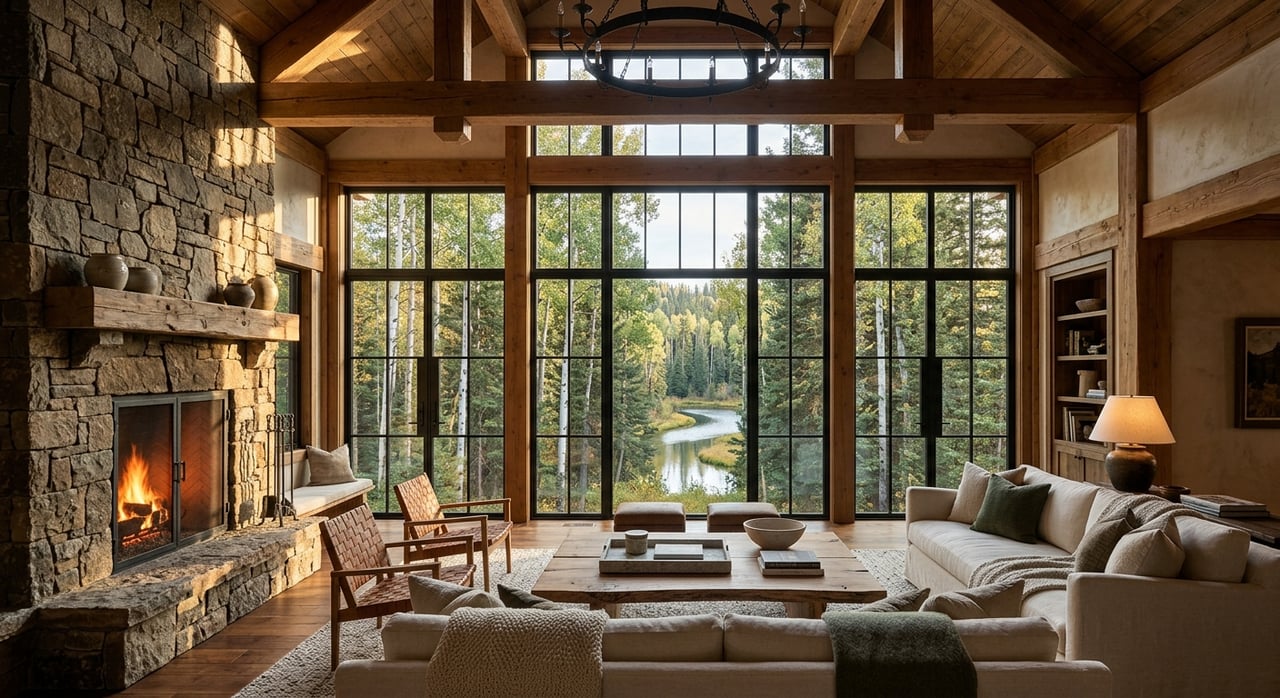
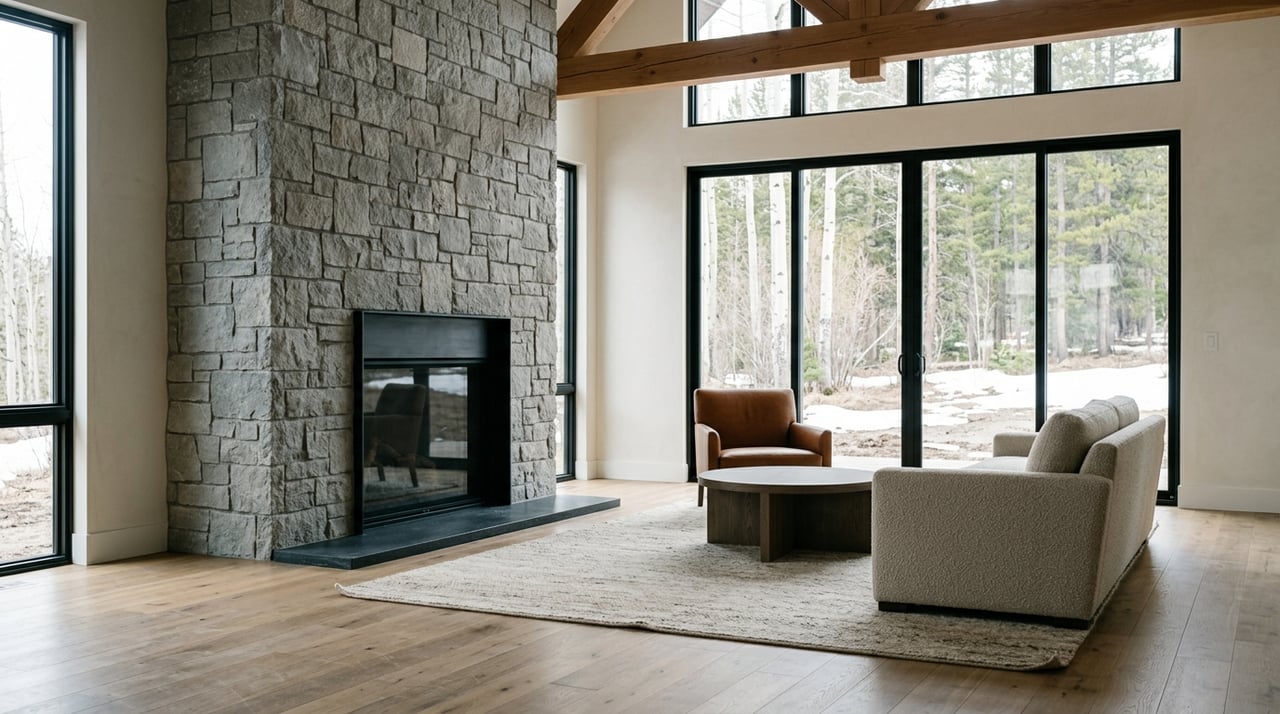
For a Swan Valley cabin, staging does not mean stripping out its character. It means refining the setting so buyers can focus on space, light, and the mountain lifestyle the property offers. Clean lines, open sightlines, and simple styling often work better than crowded rustic decor.
What buyers want to see in a Swan Valley cabin
A cabin sale here is not just about bedrooms and bathrooms. Buyers are often looking for a retreat, a second home, or a place connected to outdoor recreation. Your presentation should support that story in a factual, grounded way.
Focus on features such as:
- Natural light and window views
- Comfortable indoor-outdoor flow
- Clean and usable deck spaces
- Organized mudroom or gear-storage areas
- Fireplaces or gathering spaces
- Easy access points and parking
- Exterior setting, privacy, and surrounding landscape
This is also where strategic design support can make a difference. A design-forward approach can help your cabin feel elevated, current, and ready for market without losing the warmth buyers expect from a mountain property.
Plan photography 2 to 3 weeks before launch
Professional visuals should happen only after the home is fully cleaned, staged, and photo-ready. NAR says high-resolution photos and video tours are essential because most buyers begin their search online. In a scenic area like Swan Valley, that standard is even more important.
Cabin marketing should show more than interior rooms. Buyers want to understand how the property sits on the land, what the access looks like, and how the outdoor spaces connect to the home. If appropriate for the property, video and drone imagery can help tell that story clearly.
Good photography prep is simple but important. Open blinds, remove visual distractions, and make sure every room feels purposeful. Exterior photos should highlight the setting while the weather is still cooperative and before seasonal changes limit curb appeal.
Why visuals matter more before weather shifts
Swan Valley’s fall beauty is a draw, but it comes with a narrowing window. Once weather changes or access becomes less predictable, you may lose some of the visual advantages that help a cabin sell. Roads, landscaping, decks, river proximity, and surrounding terrain often show best before late-season conditions arrive.
That is one of the strongest reasons to prepare early. You are not just trying to list in fall. You are trying to capture the property at its most marketable moment before the season starts working against you.
Price with caution in a thin-data market
Swan Valley sellers should be careful about relying on a single number from a portal. Current market data are limited and can vary widely depending on the source and the metric being measured. That means online estimates may offer general context, but they should not drive your pricing strategy on their own.
As of April 30, 2026, Zillow showed an average home value of $517,947 and 8 homes for sale in Swan Valley. Realtor.com showed a median listing price of $775,000, 27 homes for sale, and a median 154 days on market. Redfin’s Bonneville County page showed a county median sale price of $395,000 in March 2026 and a median 48 days on market.
Those figures are not interchangeable. They reflect different geographies, samples, and measurements. For a cabin seller, that means the right list price should be based on recent comparable properties, condition, land features, access, and the specific appeal of the home, not just one automated estimate.
Assessed value is background, not list price
Bonneville County says the assessor reappraises property on a five-year cycle, applies market adjustments based on similar sales, and mails annual assessment notices in June. That information can be useful context, but it should not be mistaken for a pricing strategy.
A strong list price for a Swan Valley cabin needs to reflect what buyers are likely to compare in real time. That includes cabin style, upkeep, location, lot utility, and how easily the property supports the recreation-driven lifestyle buyers are seeking.
Get paperwork organized before buyers ask
The cleanest transactions often begin with clean documentation. Idaho’s Real Estate Commission includes the Idaho Property Condition Disclosure Act in its consumer resources, so sellers should expect to gather known property-condition information early. For cabin properties, that step matters even more because buyers often have detailed questions about improvements and systems.
Before you list, organize the documents that help a buyer feel informed and comfortable. That can also help keep momentum strong once interest starts building.
Consider gathering:
- Property condition information
- Permit records for additions or outbuildings
- HVAC, electrical, or plumbing paperwork if applicable
- Repair and maintenance receipts
- Well testing records
- Septic inspection or service records
- Warranties and contractor invoices
When buyers can get clear answers early, there is less room for uncertainty later. That can be especially helpful if your goal is to move efficiently before late fall weather becomes a factor.
The best fall-sale strategy is really an early-prep strategy
The biggest mistake Swan Valley cabin sellers can make is assuming a fall sale starts in fall. In reality, the strongest results often come from preparing in summer so your home is market-ready before the seasonal rush builds. That approach gives you better visuals, stronger access, and a cleaner launch window.
In a recreation-driven market, timing and presentation work together. If your cabin is priced with care, styled to highlight lifestyle value, and launched before the September-to-October wave is in full swing, you give yourself a better chance to attract serious interest at the right time.
If you’re thinking about selling a Swan Valley cabin, the right plan can make the process feel far more intentional and far less rushed. For tailored guidance on pricing, presentation, and pre-sale preparation, connect with Mountain West Luxury Living.
FAQs
When should you list a Swan Valley cabin to catch fall demand?
- A late-August to early-September launch is the most supported planning window because it puts your property on the market before the main fall recreation period fully ramps up and before weather-related access becomes more likely.
Why does photography timing matter for a Swan Valley cabin sale?
- Professional photos usually perform best when the property is fully staged, landscaping is still attractive, and outdoor access is clear, which is why early preparation matters in a seasonal mountain market.
What should you fix before listing a cabin in Swan Valley?
- Focus first on condition items such as roof, deck, siding, drainage, driveway access, and any well or septic concerns, because buyers often evaluate those practical details closely.
How should you price a cabin in Swan Valley, Idaho?
- Price should be based on comparable cabin sales, condition, land features, access, and recent activity rather than relying on one portal estimate or assessed value alone.
What paperwork should you gather before selling a Swan Valley cabin?
- It helps to organize property condition information, permit records, repair receipts, warranties, and any available well or septic documentation before the home goes live.