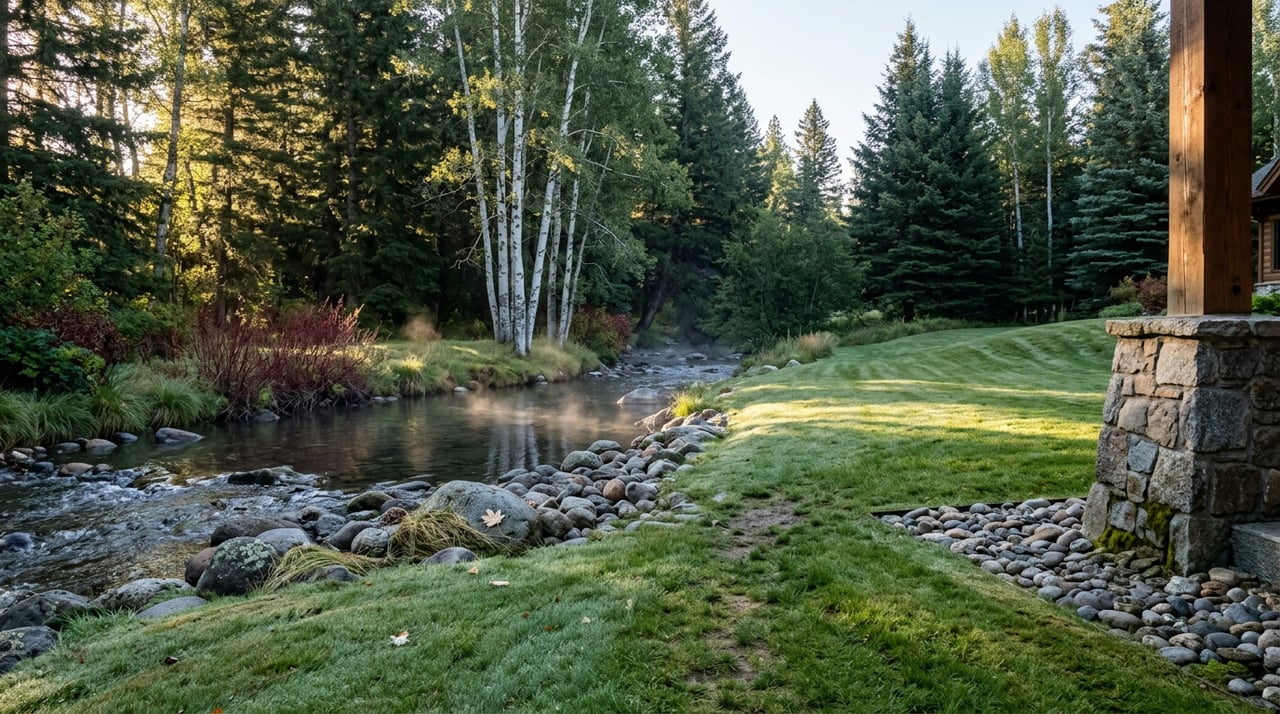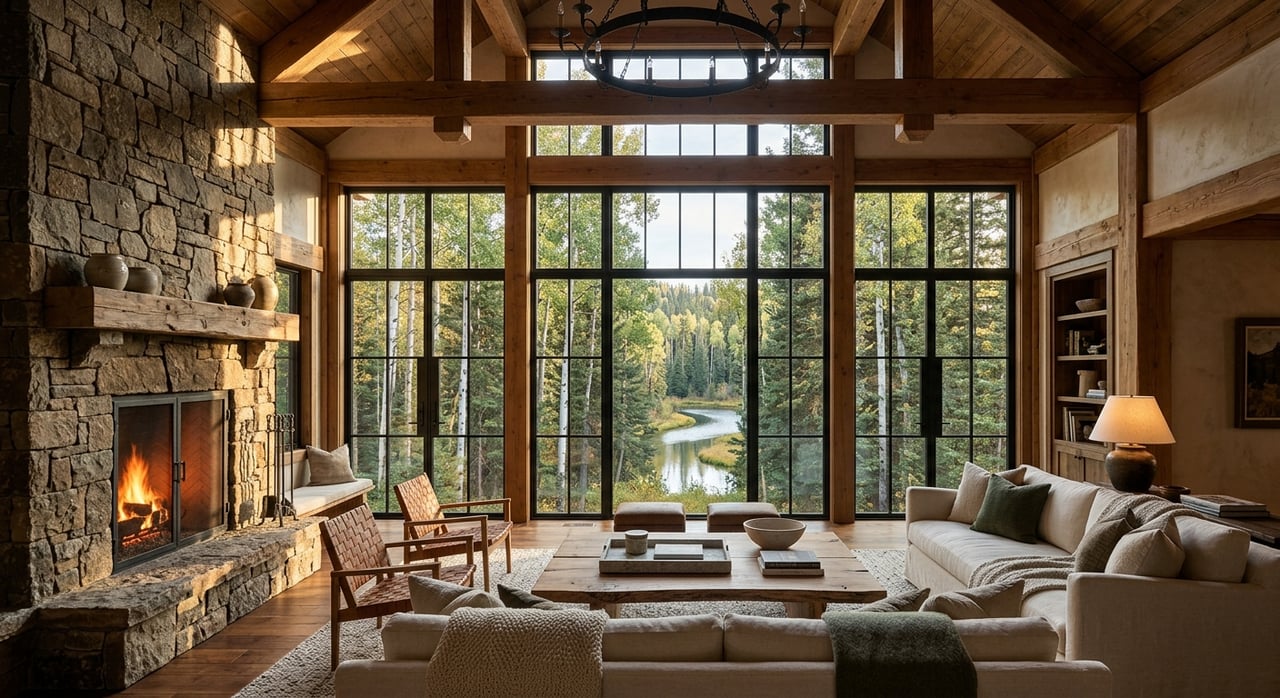
If you are dreaming about a cabin in Swan Valley, the biggest decision is often not the cabin itself. It is the location. In a place shaped by river access, reservoir recreation, mountain roads, and seasonal conditions, where you buy can have a major impact on how you actually use and enjoy the property.
Whether you want a fishing basecamp, a quiet mountain retreat, or a place that feels easier to manage year-round, choosing the right Swan Valley cabin location starts with the right filters. This guide will help you narrow your options based on access, lifestyle, and day-to-day practicality. Let’s dive in.
Why location matters in Swan Valley
Swan Valley is not a dense town center where every home sits a few blocks from the same amenities. The area is better understood as a scenic corridor that includes Swan Valley, Irwin, and Palisades, framed by mountains and tied together by U.S. Highway 26 and a network of feeder roads.
That means cabin buyers usually are not choosing between traditional neighborhoods. You are choosing between different settings, access points, and recreation patterns. A property that looks ideal on a listing sheet can feel very different once you factor in the road, the season, and how close it is to the places you plan to use most.
Start with your main use
Before you compare views, lot sizes, or finishes, get clear on how you want to use the cabin. In Swan Valley, your lifestyle priorities should lead the search.
If you want to fish often, river access should probably come first. If you picture weekends on the reservoir or trail days in the mountains, the east side of the valley may make more sense. If you want simpler errands and easier logistics, being closer to Highway 26 and the local service core can make daily ownership feel a lot smoother.
Best for river-focused buyers
The South Fork of the Snake River should be your first filter if fishing and boating are a central part of your plan. The river begins in Swan Valley near Palisades Dam and runs through a corridor that sees heavy recreational use each year.
The South Fork also supports Idaho’s largest river population of native Yellowstone cutthroat trout, along with rainbow and brown trout. If your ideal cabin life includes early mornings on the water, proximity to a boat ramp or launch area may matter more than having a larger lot or a more tucked-away setting.
The most useful access points to know include Conant and Byington. Conant Boat Access includes a concrete ramp, a separate raft launch, and a summer visitor information station. Byington Boat Access offers a concrete ramp, separate raft launch and takeout, toilets, water, picnic tables, and seasonal hosts, though it is day-use only.
Best for reservoir and trail access
If your version of a mountain retreat includes boating, hiking, and time around the reservoir, focus east of town toward Palisades Reservoir and Palisades Creek. Palisades Reservoir has about 70 miles of shoreline, six access roads, five campgrounds, five picnic areas, and six boat ramps.
This part of the valley gives you stronger access to water-based recreation and nearby trail systems. Palisades Creek Campground, about nine miles east of Swan Valley, is the starting point for the Palisades Creek Trail, which leads to Lower and Upper Palisades Lakes.
Falls Campground is another helpful orientation point. It sits next to the Snake River in Swan Valley, with Fall Creek Falls less than a quarter-mile away and nearby trails for hiking, mountain biking, horseback riding, and ATV use.
Best for simpler daily logistics
Some buyers want a cabin that still feels easy to own and use on a practical level. In Swan Valley, that often means looking closer to Highway 26 and the local service core.
Local amenities are limited but important. The Swan Valley General Store offers groceries, hardware, fuel, deli and bakery service, and produce. The city also handles local building permits for structures over 120 square feet, which can matter if you are planning future improvements or outbuildings.
For bigger errands, Idaho Falls functions as the regional hub. The Forest Service places Falls Campground about 45 miles east of Idaho Falls, which helps frame the broader distance between Swan Valley cabin living and larger-city services.
Winter access is a real location feature
In Swan Valley, winter access is not a small detail. It is a major part of whether a cabin feels carefree or complicated.
Many recreation roads in the area are gravel, and several campgrounds and access points are seasonal. Some locations have reduced services after the main season, and some roads can be more challenging depending on weather and maintenance.
In general, parcels closer to Highway 26 or other maintained routes may be easier to live with in winter than parcels deeper on forest roads or side roads. That does not mean one option is always better than another. It means you should match the location to how often you plan to visit, what vehicle access you expect, and whether you want a more adventurous setting or more predictable year-round use.
Roads to keep in mind
The city zoning map gives useful orientation points for residential build-out along U.S. Highway 26 and roads such as:
- Conant Valley Loop
- Fox Creek Road
- Rainey Creek Road
- Irwin Road
- Old Irwin Road
When two properties seem similar in price, these road differences can matter more than the listing photos suggest. The road type, route, and maintenance pattern can shape your drive time, seasonal access, and overall ownership experience.
Seclusion and views often come with tradeoffs
Some of the most appealing cabin settings in Swan Valley offer privacy, trees, hillside views, or a stronger sense of retreat. Those are real advantages, especially if you are looking for a second home that feels removed from busier daily life.
At the same time, more scenic or tucked-away pockets can come with access limitations. Calamity Campground, for example, is known for scenic views above Palisades Reservoir and proximity to nearby trails, but Bear Creek Road to Calamity is currently washed out and impassable.
That example is a useful reminder for cabin buyers. In Swan Valley, the setting can be spectacular, but access needs just as much attention as the view.
A simple framework for choosing the right area
If you want to narrow your search faster, use this practical location framework.
| Your priority | Best general focus |
|---|---|
| Fishing and river days | South Fork corridor near Conant, Byington, and other direct river access points |
| Reservoir time and trail access | East of town toward Palisades Reservoir and Palisades Creek |
| Easier errands and daily use | Closer to Highway 26 and the Swan Valley service core |
| Privacy and big mountain views | Higher or more wooded pockets, with careful review of road and seasonal access |
This kind of sorting can save you time and help you avoid chasing the wrong properties. A beautiful cabin in the wrong location for your goals can feel less satisfying than a simpler property in exactly the right place.
Questions to ask before you shortlist
Before you narrow your options, ask a few practical questions about every property. These details often reveal whether a cabin is truly a fit.
Ask about city limits and permits
Find out whether the parcel is inside city limits or outside them. That can affect which local processes apply, especially if you are considering future building work.
Ask who maintains the road
Road maintenance can shape everything from winter access to wear and tear on your vehicle. Clarify who maintains the road and what that looks like during different times of year.
Ask if the road is gravel or paved
Surface type matters more in a mountain market. Gravel may be perfectly workable for some buyers, but it is still important to understand what you are signing up for.
Ask whether the road stays open in winter
If you plan to use the cabin outside summer and early fall, this is one of the most important questions you can ask. Idaho Transportation Department advises drivers to check Idaho 511 for current winter road conditions, and Bonneville County also maintains road information for closures, construction, and maintenance schedules.
Ask about your real distance to key stops
Do not just ask how peaceful the property feels. Ask how far it is to the nearest boat ramp, trailhead, fuel stop, and grocery stop. In Swan Valley, those practical distances can make a big difference in how convenient the cabin feels once you own it.
The right location supports the lifestyle you want
The best Swan Valley cabin location is the one that fits how you actually want to live. For some buyers, that means being close to the South Fork and boat access. For others, it means a stronger connection to Palisades Reservoir, mountain trails, or a quieter wooded pocket with more privacy.
The key is to balance scenery with usability. When you choose a location with a clear understanding of access, recreation, and year-round logistics, you are much more likely to end up with a cabin that feels like a true retreat instead of a compromise.
If you want expert help comparing Swan Valley cabin locations and finding the right fit for your goals, connect with Mountain West Luxury Living.
FAQs
What matters most when choosing a Swan Valley cabin location?
- Your main use should come first, especially whether you care most about river access, reservoir recreation, trail access, privacy, or easier year-round logistics.
Which Swan Valley areas are best for fishing access?
- Buyers focused on fishing should look closely at the South Fork corridor near access points such as Conant and Byington.
Which part of Swan Valley is best for reservoir and trail access?
- Areas east of town toward Palisades Reservoir and Palisades Creek are especially relevant for buyers who want boating, hiking, and mountain access.
Why is winter access important for Swan Valley cabins?
- Many roads and recreation sites in the area are gravel or seasonal, so a property’s route and maintenance pattern can affect how easy it is to reach and use in winter.
What services are available in Swan Valley for cabin owners?
- Local day-to-day amenities are limited but include groceries, hardware, fuel, deli and bakery service, produce, local emergency services, and city permit handling for certain structures.
What should you ask before buying a Swan Valley cabin property?
- Ask whether the parcel is inside city limits, who maintains the road, whether it is gravel or paved, whether it stays open in winter, and how far it is to the nearest boat ramp, trailhead, fuel stop, and grocery stop.