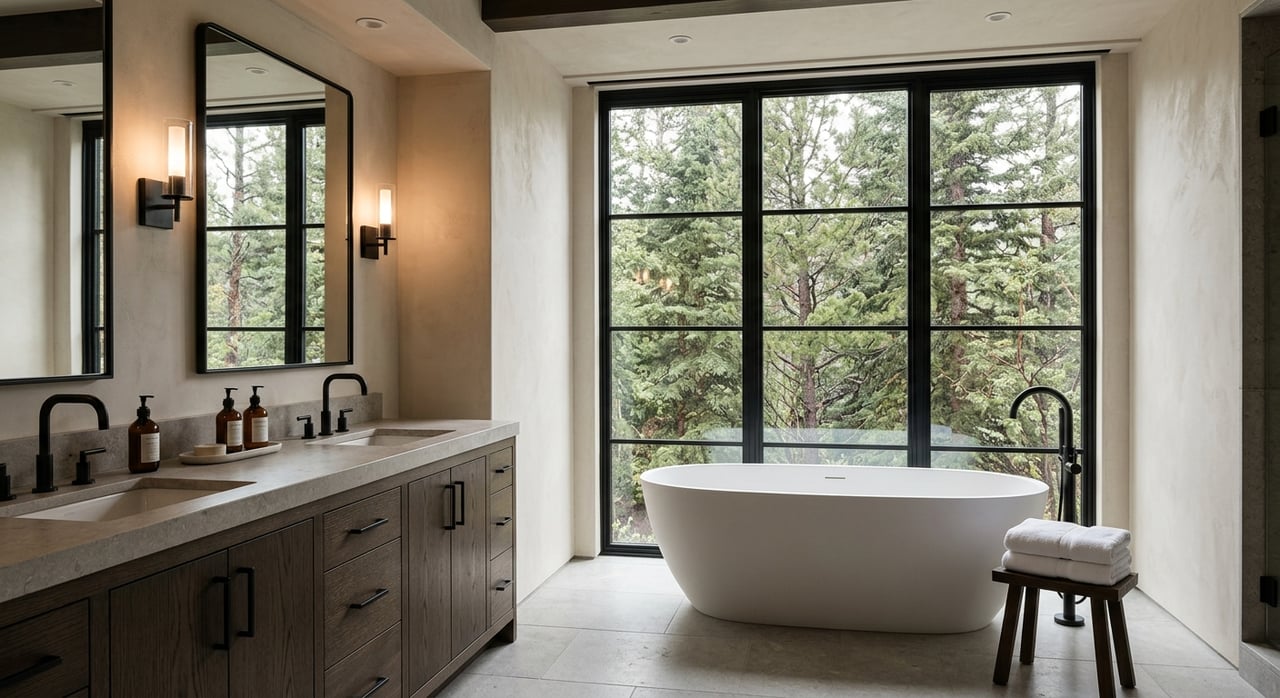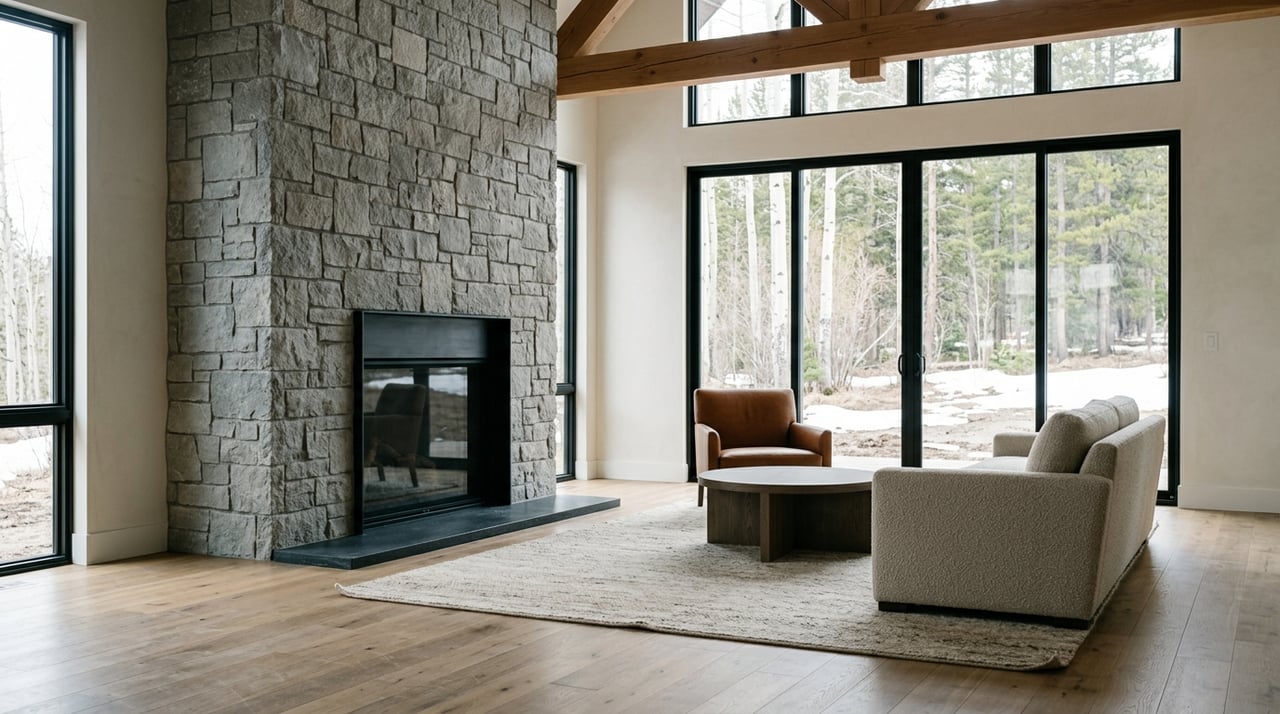
If you own a home in Driggs but live somewhere else, selling it can feel like a project with too many moving parts. You may be wondering how to handle repairs, showings, paperwork, and closing without making repeated trips back to Idaho. The good news is that much of the process can be managed remotely with the right local support, smart planning, and a clear system. Let’s dive in.
Why remote selling matters in Driggs
Driggs is not a market where you want to wing it. In March 2026, Realtor.com’s local snapshot showed a median listing price of $925,000, 136 active listings, and a median time on market of 109 days, while Zillow’s March 31, 2026 home value index put the average Driggs home value at $801,777. These are different data points, but together they suggest a higher-priced market where presentation and pricing discipline matter.
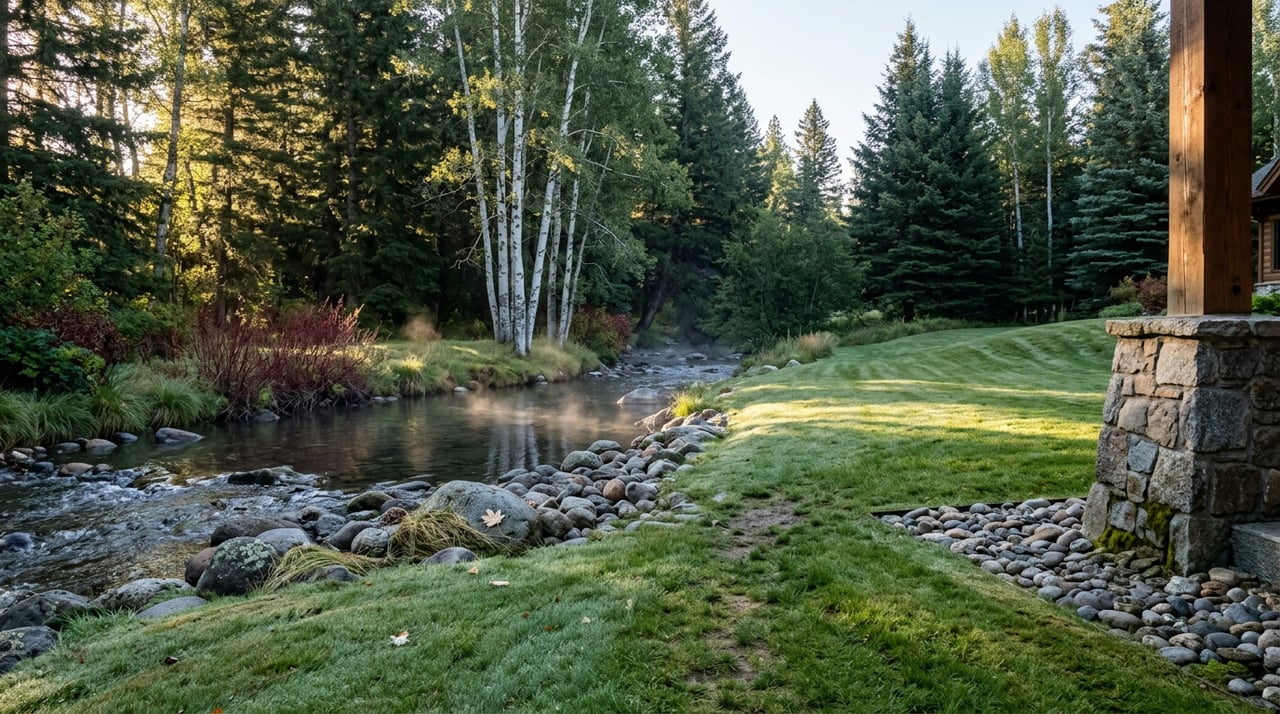
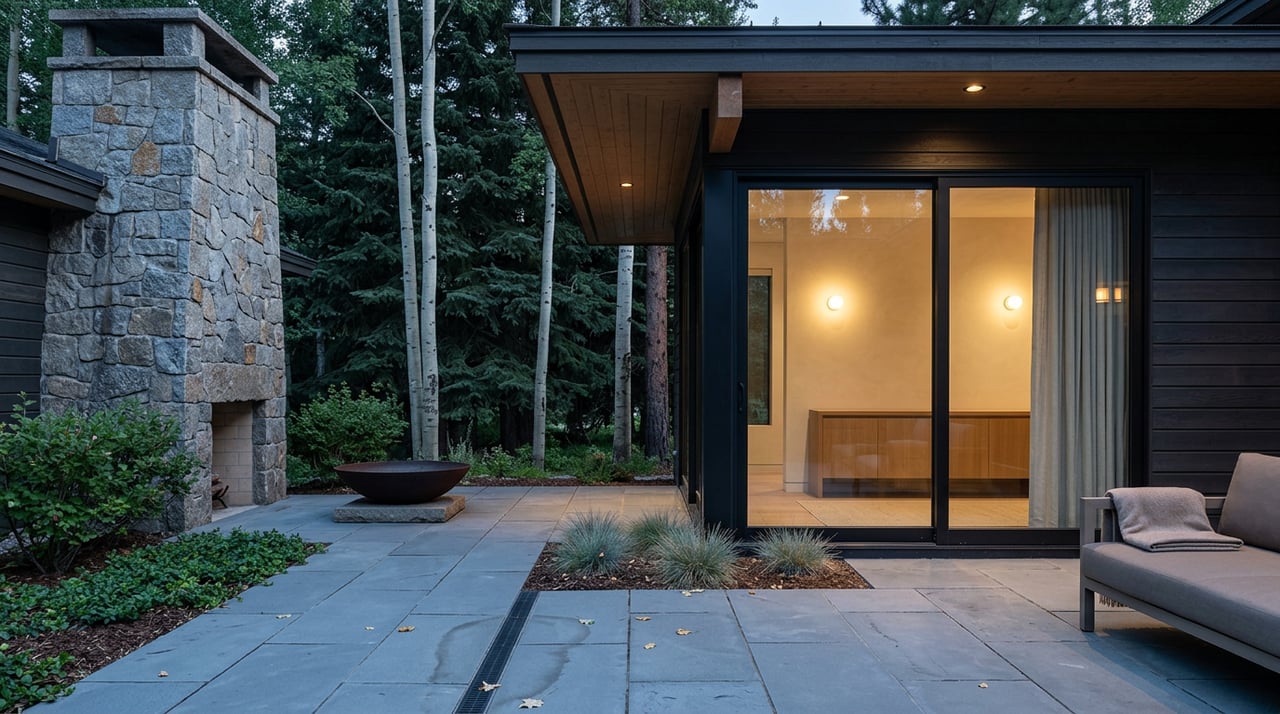
The City of Driggs describes the area as a mountain community shaped by natural beauty, outdoor access, and small-town connection. That matters because buyers here often respond to more than square footage alone. If you are selling from afar, your home needs a polished, lifestyle-driven presentation and a process that works even when you are not physically present.
Build a local remote-sale plan
A successful long-distance sale starts with one simple goal: create a reliable on-the-ground system. Instead of trying to manage every detail from a distance, you need a local point of contact who can coordinate the property, vendors, and timeline.
That workflow is especially helpful before your home goes live. Based on NAR guidance around communication, scheduling, and controlled property access, a practical remote-selling setup includes a walk-through, a repair punch list, contractor coordination, and confirmation that the home is truly ready before photography and showings begin.
Start with a full property review
Before listing, your home should be evaluated as a buyer will see it online and in person. That means identifying deferred maintenance, cosmetic distractions, and anything that could weaken the first impression.
In Driggs, where buyers often connect with mountain lifestyle and visual presentation, this step is not just about fixing problems. It is about making sure the home feels cared for, intentional, and ready for the market.
Use one clear chain of coordination
If several contractors, cleaners, or service providers need access, communication can quickly get messy. A single local coordinator helps keep timing, approvals, and updates organized.
NAR guidance supports advance scheduling, prompt communication, and controlled access for people involved in the sale. For you, that means fewer surprises and less back-and-forth while the home is being prepared.
Prioritize repairs, staging, and visuals
When you are selling remotely, your marketing has to do more of the heavy lifting. Most buyers begin online, so your photos, video, and presentation need to create confidence before anyone ever steps through the door.
According to NAR seller guidance, high-resolution photos and video tours are now essential because buyers shop online first. NAR’s 2025 staging report also found that 83% of buyers’ agents said staging made it easier for buyers to visualize a property as a future home, 29% said staging led to a 1% to 10% increase in dollar value offered, and 49% of sellers’ agents said staging reduced time on market.
Fix obvious issues first
Repairs come before styling. If a buyer sees worn finishes, damaged fixtures, or incomplete maintenance, even strong photography may not overcome the impression that the property needs work.
The best sequence is straightforward:
- Walk the property and build a punch list
- Complete visible repairs and maintenance
- Deep clean and declutter
- Stage the main living areas
- Schedule photography and video only when the home is camera-ready
Stage the rooms that matter most
NAR’s staging report found that buyers’ agents viewed photos, traditional staging, videos, and virtual tours as highly important. The most commonly staged rooms were the living room, primary bedroom, dining room, and kitchen.
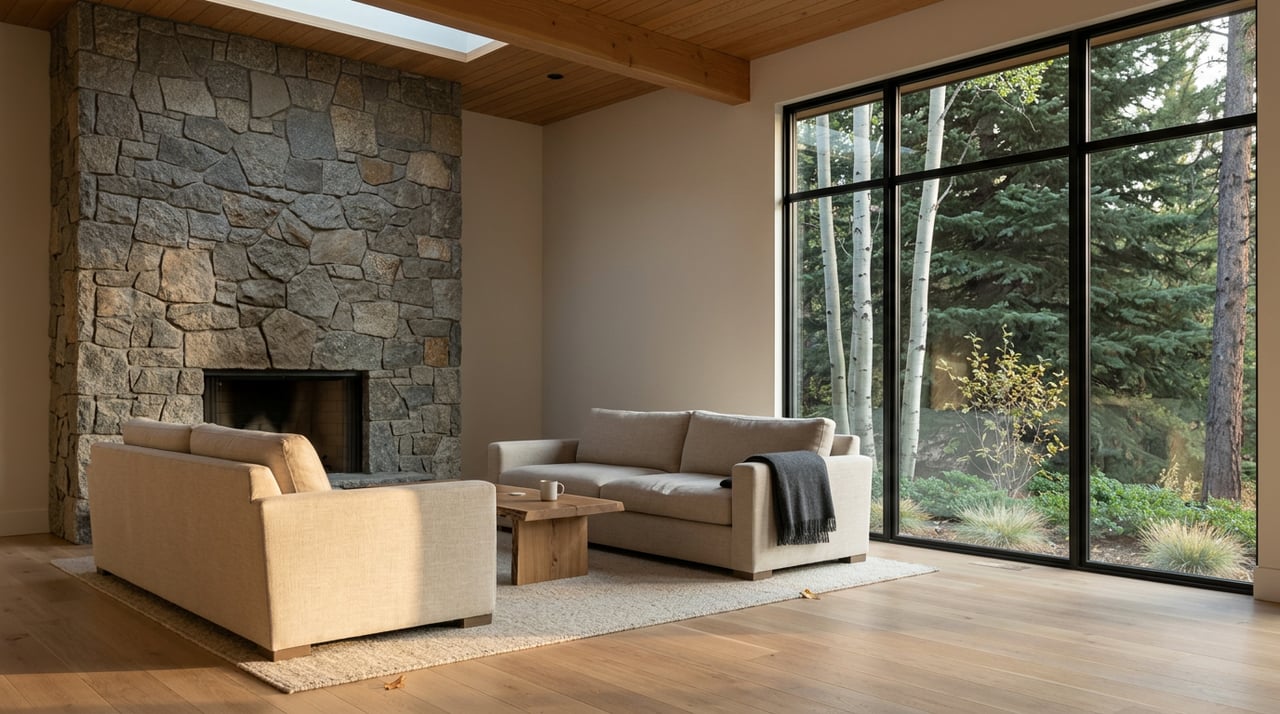
If you are selling a Driggs home from afar, those spaces deserve the most attention. In a mountain market, buyers often imagine how the home will feel during a long weekend, ski season, or summer escape, so the main gathering spaces should look warm, open, and easy to enjoy.
Protect showings and privacy
When a property is vacant or owner-absent, access control becomes even more important. You want the home to be easy to show, but not loosely managed.
NAR’s Pathways to Professionalism says agents should schedule appointments as far in advance as possible, respond promptly to inquiries, keep groups together during showings, and leave the property as they found it. NAR’s consumer guidance also recommends securing valuables and sensitive documents, stowing personal items and photos, and considering an electronic lockbox that records who enters and when.
Use a logged access system
A remote seller needs visibility into who accessed the home and why. A digital lockbox can help create an entry trail, which is useful for both showings and vendor visits.
At the same time, NAR notes that digital lockboxes are not a substitute for an agent’s presence during showings. That is why a concierge-style approach works well: access is scheduled, visits are monitored, and you get updates after each showing or service appointment.
Limit unnecessary photography
If privacy is a concern, ask about limiting photography during showings where appropriate. NAR notes that sellers can request a no-photography note in the MLS and that permission should be obtained before photographing or streaming a property.
That can be especially helpful if the home contains personal belongings, distinctive artwork, or security-sensitive features. The goal is to balance exposure with common-sense privacy.
Watch for fraud risks
For out-of-state owners, fraud is one of the biggest risks in the transaction. NAR warns that vacant and remote-owned homes are common targets for title fraud and seller impersonation scams.
Its broker risk-reduction guidance recommends carefully verifying the seller’s identity, using the owner’s address of record with the county recorder when needed, and closely confirming remote-notary and wire-transfer details. NAR also warns that wire diversion scams remain a real risk.
Confirm wire instructions the right way
Never rely on emailed wire instructions alone. NAR advises confirming wire details by phone using a known, trusted number before any money is sent.
That one step can help protect your proceeds. In a remote sale, a tight communication chain between you, your agent, and the title company matters just as much as pricing and marketing.
Handle documents and closing remotely
One of the biggest questions sellers ask is whether they need to come back to Idaho to close. In many cases, no. Much of the process can be handled remotely when the listing, title, and signing timeline are coordinated early.
The federal ESIGN framework gives electronic signatures and records legal effect, and NAR notes that e-signatures and remote online notarization can allow parties to review and approve documents from anywhere. That can reduce delays and keep the process moving smoothly.
Know Idaho remote notarization rules
According to the Idaho Secretary of State, an electronic notary must be an Idaho notary, must complete the required filing for electronic or remote online notarization, and must use tamper-evident technology. Idaho also requires audio and video communication technology that supports identity proofing and retains a recording of the notarial act.
For you, the practical takeaway is simple: if notarized documents are needed, the closing team should confirm early whether remote online notarization will be used and what platform or identity steps are required.
Plan the closing timeline early
Remote closings go more smoothly when the paperwork path is mapped out before the last minute. Seller signatures, payoff authorizations, title instructions, and recording steps should be lined up well before closing day.
Teton County’s clerk-recorder office is located in Driggs at 150 Courthouse Drive #208, which helps keep local recording and county follow-up anchored in the market even when you are out of state. Early planning reduces the risk of delays, rushed signatures, or missed verification steps.
What helps protect your sale price
If you are not there in person, it is easy to worry that your home will not be presented at its best. In reality, the biggest price protection tools are not complicated. They are execution, consistency, and presentation.
Based on NAR guidance, the strongest remote-selling strategy includes:
- Accurate pricing for current market conditions
- Completion of visible repairs before launch
- Clean, decluttered interiors
- Staging in the main living spaces
- Strong professional photos
- Video and virtual-tour assets
- Controlled showings with prompt feedback
- Careful oversight of fraud-prevention steps
In a place like Driggs, where buyers often respond to both the property and the surrounding mountain lifestyle, details matter. A thoughtfully prepared home is easier for buyers to understand, trust, and act on.
Make remote selling feel simple
Selling your Driggs home from afar does not have to mean losing control. With a design-forward prep plan, managed access, secure communication, and a well-organized closing process, you can sell with far less stress and far fewer trips.
If you want a polished, concierge-style approach to selling a mountain property remotely, Mountain West Luxury Living can help you create a clear plan from pre-listing prep through closing.
FAQs
Can I sell my Driggs home without returning to Idaho?
- In many cases, yes. Much of the process can be handled remotely through coordinated listing prep, scheduled showings, electronic signatures, and remote notarization when applicable.
What helps my remote Driggs listing stand out online?
- Strong photography, video, virtual tours, decluttering, and staging the main living spaces can improve how buyers respond to the home online.
How should showings be handled when I live out of state?
- Scheduled showings, logged access, local oversight, and prompt reporting after each visit can help protect the property and keep you informed.
What is the biggest risk when selling a Driggs home remotely?
- Fraud, especially title fraud and wire diversion, is one of the biggest risks. Identity verification and confirming wire instructions through a trusted phone number are key safeguards.
Can I sign closing documents remotely for a Driggs home sale?
- Often, yes. Electronic signatures are widely used, and Idaho allows remote online notarization when the notary and technology meet state requirements.
When should remote closing steps be planned for a Driggs home sale?
- Early in the process. It is best to line up signatures, title instructions, payoff details, and recording logistics before closing is near.