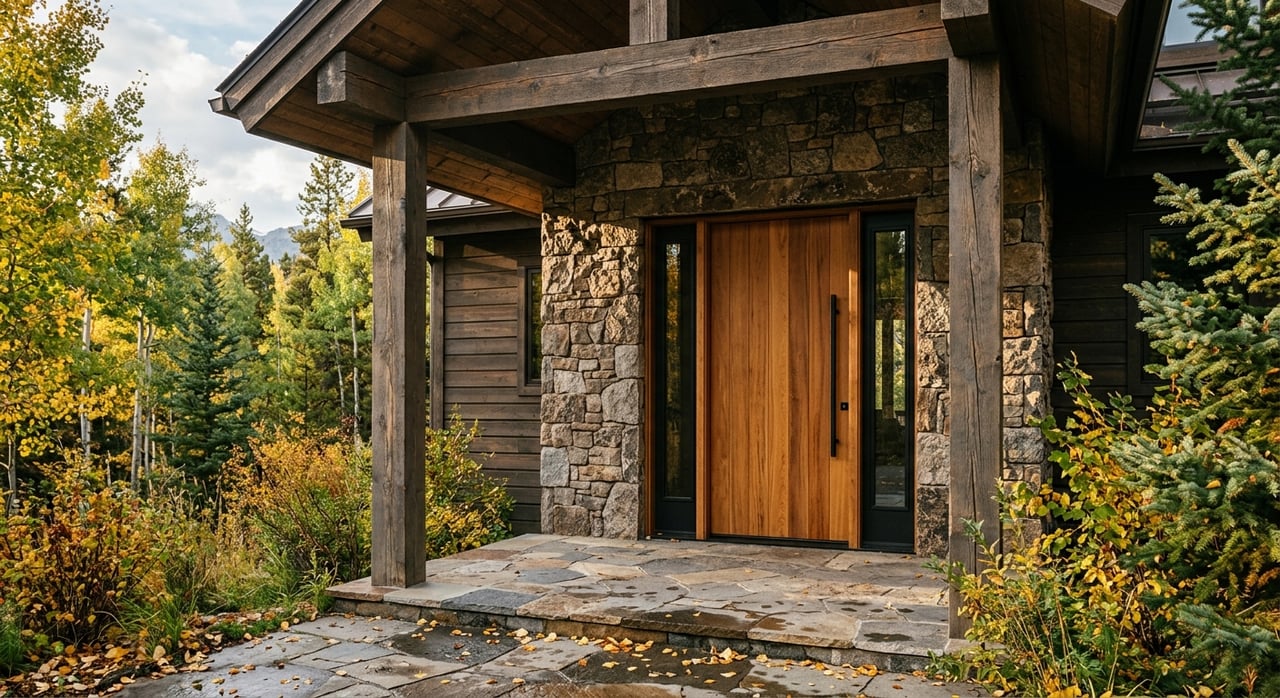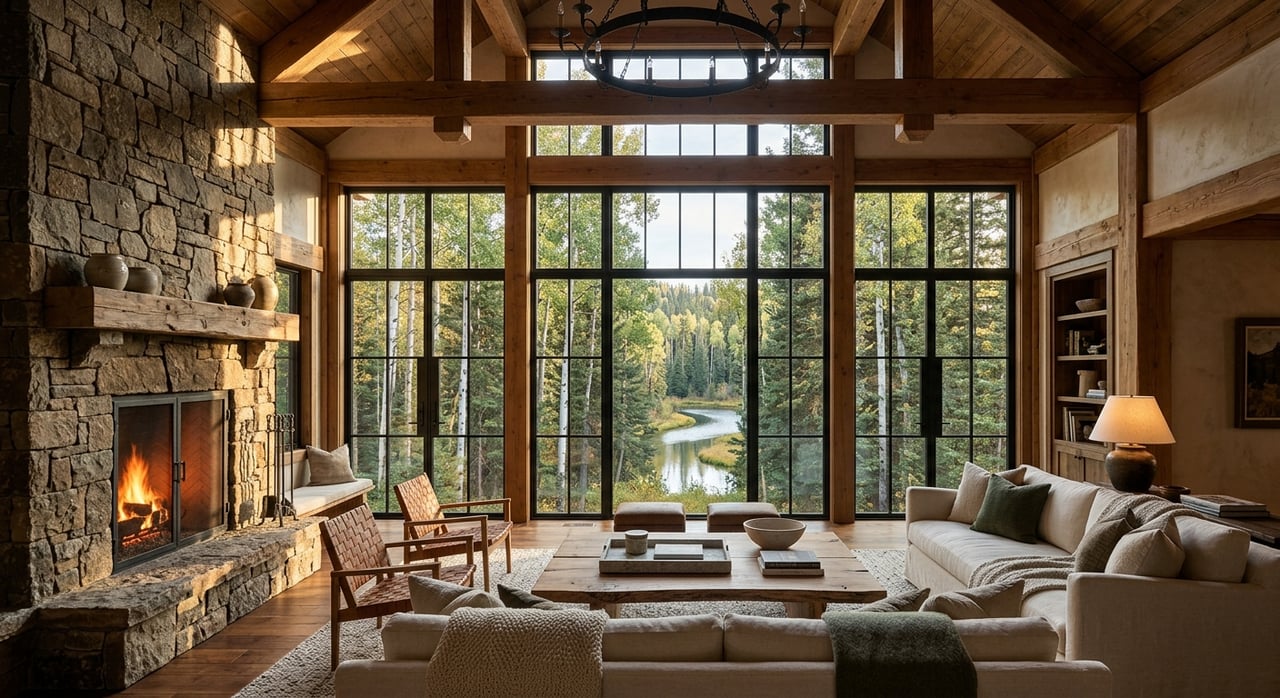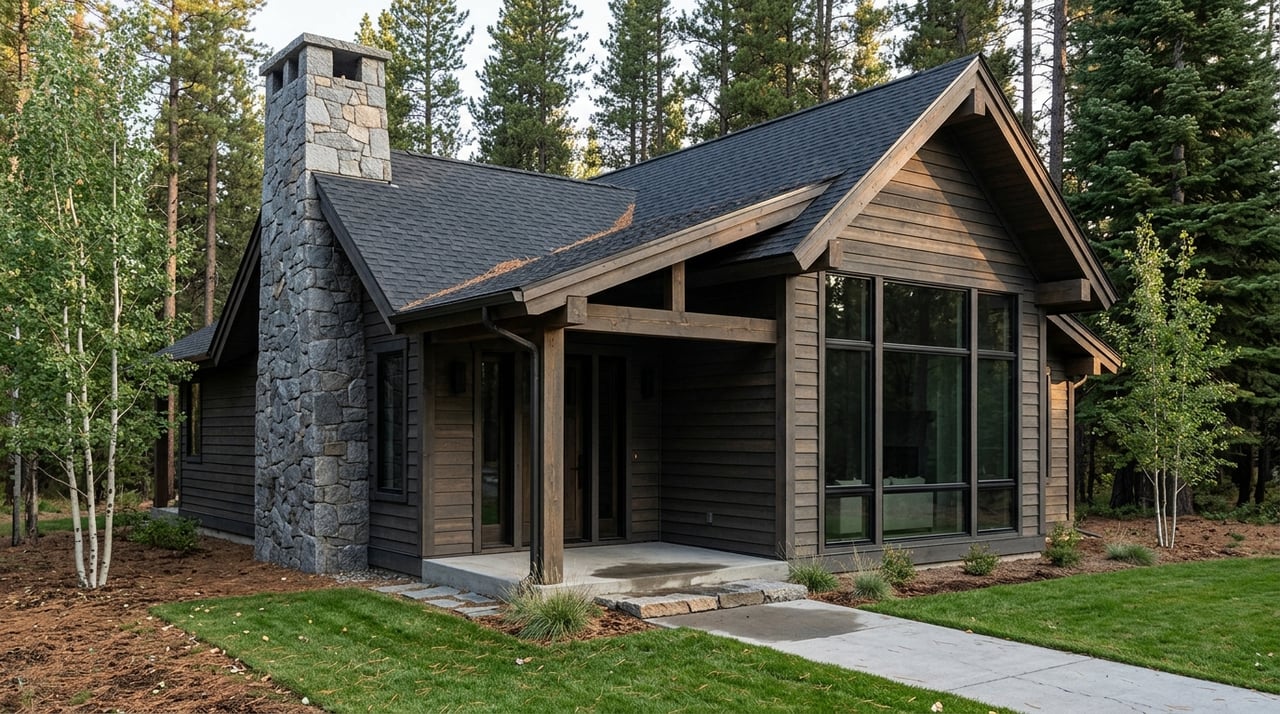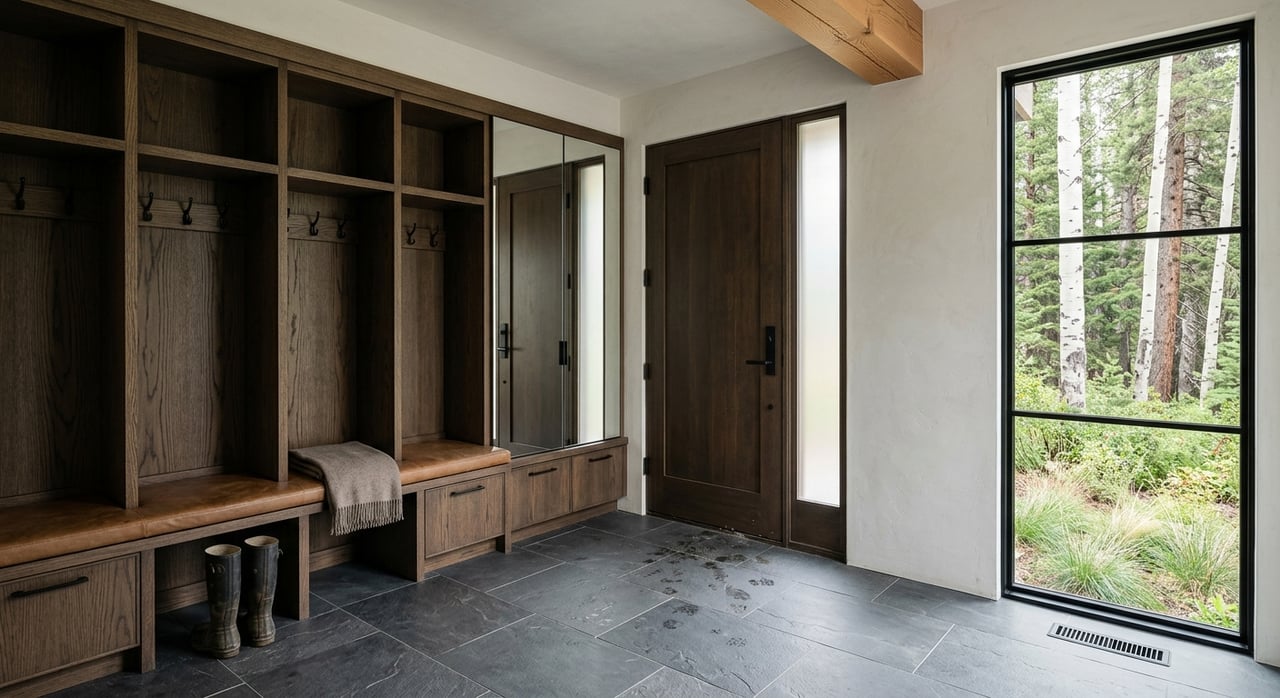
What does everyday life actually feel like when your home is shaped by river access, ranch culture, deep snow, and wide-open land? In Jackson, the answer is not just scenic. It is practical, seasonal, and deeply tied to the rhythm of the valley. If you are exploring a home in this market, it helps to understand how Jackson living works day to day, from winter readiness to river routines to the value of open space. Let’s dive in.
Jackson living starts with the valley
Jackson is part of Jackson Hole, the valley beside the Teton Range, and the Town of Jackson sits at the south end of that valley. The town is at 6,237 feet above sea level, about 12 miles south of Grand Teton National Park and 60 miles south of Yellowstone National Park. Flat Creek also runs directly through town, adding another layer to the area’s strong connection to water and landscape.
What stands out most is how much open land surrounds you. The Town of Jackson says less than 3% of land in Teton County is privately owned, and Jackson Hole Airport notes that nearly 97% of the county is public land. That creates a lifestyle that feels expansive and protected, where the views and natural setting are not an afterthought.
Open space shapes daily life
In many places, open space is a bonus. In Jackson, it is part of how you move through the day. Grand Teton National Park covers nearly 310,000 acres and includes the northern half of the Jackson Hole valley, which reinforces the feeling that the landscape is always close.
Wildlife is also part of the lived environment here. Grand Teton National Park describes the valley as home to grizzly and black bears, bison, moose, elk, and pronghorn, among other species. For you as a homeowner or second-home buyer, that means privacy and natural beauty often come with a real awareness of your surroundings.
River living is active and regulated
The Snake River is the major waterway in the Jackson region, and its tributaries include the Buffalo Fork, Gros Ventre, Hoback, Grey’s, and Salt rivers. That river presence helps shape both the pace and the function of daily life. In Jackson, riverfront or river-adjacent living is not only about views. It is also about access, gear, timing, and knowing the local rules.
Fishing is one of the area’s signature activities, and anglers need a Wyoming fishing license. In Grand Teton National Park, lakes are generally open year-round except for Jackson Lake, which closes to fishing from October 1 through October 31. On the Snake River, cutthroat trout must be released immediately from November 1 through March 31, and some reaches have seasonal access closures.
That matters because river use here is scenic, but it is also managed carefully. Within Grand Teton National Park, motors are prohibited on the Snake River, and only human-powered rafts, canoes, drift boats, and kayaks are allowed there. The park also requires Aquatic Invasive Species inspections for boats entering the park and reminds visitors to clean, drain, and dry gear.
The Snake River fits into everyday routines
Teton County’s Snake River Management Plan makes it clear that the river corridor is woven into ordinary valley life. Public recreation nodes and access areas near Wilson Bridge, Rendezvous Park, Emily Stevens Park, and South Park support activities such as fishing, scenic boating, walking, swimming, and dog exercise. The plan also notes that the Snake River through Jackson Hole is largely Class I to II water, which helps explain why floating and scenic use are so visible here.
If you are drawn to river living, the appeal is often as much about function as beauty. Homes that support outdoor gear, easy transitions, and seasonal use patterns fit the reality of this setting. In Jackson, the lifestyle often includes boots by the door, a place to store rods or waders, and a layout that handles both snow and water with ease.
Ranch living has real roots here
Ranch living in Jackson is not a theme layered onto the market. It is tied to the valley’s history and ongoing land use. The Town of Jackson says archaeological evidence shows people in and around the area about 11,000 years ago, and the first homesteads in the area were filed in 1884.
Grand Teton National Park’s cultural history materials note that dude ranching began in the 1890s and became a Jackson Hole tradition centered on horseback riding, fishing, hunting, and hiking. That history still shapes the identity of the region today. When you look at ranch properties or homes with equestrian character, you are seeing a lifestyle with long-standing roots in the valley.
Equestrian culture remains part of the valley
Horse use is still an active part of the local outdoor culture. Grand Teton allows stock use on most designated trails, with specific closures and trail etiquette rules in place. The park also notes that high-country trails may remain blocked by snow and impassable to stock until late July, which is another reminder that seasonality drives how the landscape is used.
Local amenities support that heritage in practical ways. Teton County says Owen Bircher Park in Wilson includes a well-lit arena used by local ropers, barrel racers, and other equestrians. Wayne May Park was also created to preserve open space and honor Jackson Hole’s ranching and agricultural heritage.
Winter is part of the lifestyle
Jackson averages 71 inches of snowfall per year, according to the town. That single number says a lot about why winter readiness is part of everyday life here. In this market, snow is not a short event. It is a regular condition that affects vehicles, access, storage, entry spaces, and daily planning.
Grand Teton’s road guidance notes that winter travel can involve icy and snow-covered roads, and some park roads close from November into spring. When the Teton Park Road closes to vehicles, it is groomed for skiing, snowshoeing, and hiking. That tells you something important about Jackson living: the season changes how you move, but it does not stop the lifestyle.
Town amenities keep Jackson workable
One of Jackson’s strengths is that open landscape and practical infrastructure exist side by side. The Community Recreation Center is downtown and includes a climbing gym, fitness studios, an aquatic center, gymnasiums, and drop-in daycare. For full-time residents and second-home owners alike, that kind of amenity helps support year-round use.
The county’s Pathways system is also an integral part of Teton County. Routes include the town core sidewalk network, a bridge over the Snake River, and a pathway adjacent to the Elk Refuge. These everyday connections matter because they make it easier to enjoy the valley without feeling isolated from town services.
Transit and travel add flexibility
Jackson also offers transportation options that are unusually strong for a mountain market. START Bus serves the greater Jackson Hole area year-round, including commuter service from surrounding communities. The system began in 1987 to move skiers between town and Teton Village and has since expanded into a broader public service.
The Town of Jackson’s Public Works department handles roads, sidewalks, water, wastewater, and public facilities. That local support matters in a place where snow and ice are part of normal conditions. It helps make year-round living feel more manageable, whether you are here full time or using a second home seasonally.
The Jackson Hole Airport adds another layer of convenience. The airport says it is located within Grand Teton National Park and is the only airport in the United States completely inside a national park. For buyers who value access, that is a meaningful advantage in a destination defined by both beauty and distance.
What buyers often value most
When you look closely at Jackson river and ranch living, a clear pattern emerges. Buyers are often drawn to homes that balance privacy, access, and daily function. The setting invites a more intentional way of living, where outdoor use, seasonal transitions, and thoughtful home design all matter.
That is especially true in the luxury segment. In a market like Jackson, a home often serves as both retreat and launch point. You may want space for hosting, storing gear, managing winter conditions, and enjoying the valley in every season without sacrificing comfort or style.
Why local guidance matters in Jackson
Jackson is visually stunning, but it is also highly specific. River regulations, seasonal access, weather patterns, open-space context, and local infrastructure all shape what it means to own property here. A home that looks ideal on paper can feel very different once you think through access, layout, and how you actually plan to live in the space.
That is where thoughtful guidance becomes valuable. When you understand how the valley works, you can make a better decision about the kind of property that fits your goals, whether you are focused on river access, equestrian character, second-home ease, or a refined mountain retreat.
If you are considering a move, a second home, or a lifestyle-driven investment in Jackson, the right property should do more than look beautiful. It should support the way you want to live in every season. For tailored guidance on Jackson and mountain lifestyle real estate, connect with Mountain West Luxury Living.
FAQs
What is river living like in Jackson, Wyoming?
- River living in Jackson is scenic and active, with the Snake River supporting floating, fishing, walking, and other recreation, while also following seasonal rules and access regulations.
What makes ranch living unique in Jackson Hole?
- Ranch living in Jackson Hole is tied to a long local history that includes early homesteads, dude ranching traditions, horse use, open land, and ongoing equestrian amenities.
How much snowfall does Jackson, Wyoming get each year?
- The Town of Jackson reports an average of 71 inches of snowfall per year, which makes winter readiness part of ordinary daily life.
How much land in Teton County is privately owned?
- The Town of Jackson says less than 3% of land in Teton County is privately owned, and Jackson Hole Airport notes that nearly 97% of the county is public land.
What amenities support year-round living in Jackson?
- Jackson offers practical amenities such as the downtown Community Recreation Center, the county Pathways system, START Bus service, local public works support, and the Jackson Hole Airport.