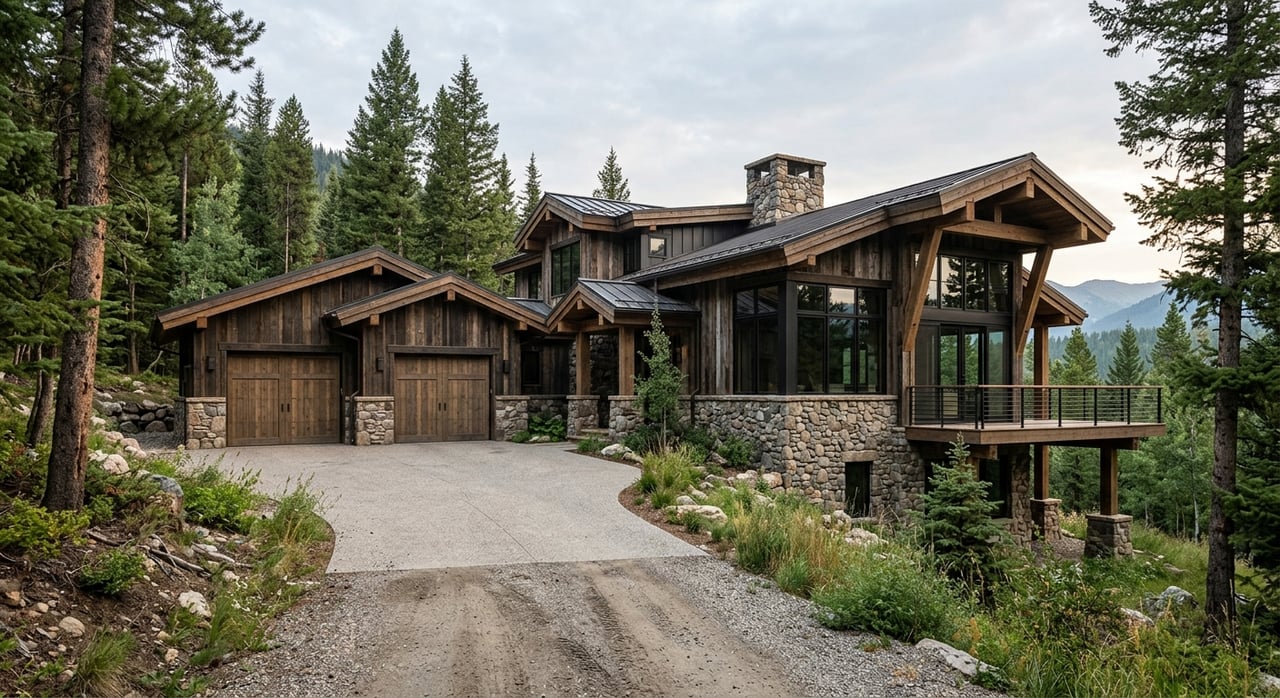
Victor and Teton Valley attract investors who value mountain lifestyle and smart portfolio moves. If you are planning to sell an investment or business property and reinvest, a 1031 exchange can defer federal capital gains tax while you upgrade, diversify, or reduce hands-on management. This guide explains the strategies that work here, the timing you must meet, local rules to watch, and how to assemble the right team.
We speak to active investors, second‑home owners, and premium sellers who expect white‑glove execution. You will find clear steps, local “plays,” risks to avoid, and a simple path to get started.
Quick 1031 Exchange Primer
A 1031 exchange lets you sell one U.S. investment or business real estate and reinvest into other U.S. real property while deferring federal capital gains tax. Since 2017, §1031 applies to real property only, held for investment or business use. It does not apply to personal residences or property outside the United States. See the IRS overview for the core rules and tips here.
At a high level, here is how it works:
- You sell your relinquished property. A Qualified Intermediary (QI) holds the proceeds.
- Within 45 days of closing, you identify replacement property in writing to your QI. Identification limits apply, like the three‑property rule or valuation tests. Get a quick refresher on the 45/180 day windows and ID rules here.
- Within 180 days of your sale, you must acquire the replacement property.
Key mechanics to keep in mind:
- The taxpayer who sells must be the same taxpayer who buys (title and entity planning matters).
- If you receive cash or reduce debt net of the exchange, that portion is taxable “boot.”
- You report the exchange on IRS Form 8824 filed with your tax return. See instructions here.
This guide assumes you want to understand practical strategies, local timing issues, and which partners make a smooth exchange possible.
Why 1031 Exchanges Are Relevant in Victor & Teton Valley
Victor sits at the gateway to Jackson Hole, with a lifestyle that blends skiing, trail access, fly‑fishing, and open space. Price dynamics amplify the value of 1031 planning here. Zillow reports a typical home value in Victor of about 872,000 as of August 2025, materially below Jackson averages, which often range far higher. Explore Victor values here and Jackson market context here.
Who typically uses a 1031 in our market:
- Owners of short‑term rentals who want lower‑touch income property.
- Second‑home investors converting to long‑term rentals or small multifamily.
- Land and ranch buyers looking for legacy assets or development upside.
- Sellers who want to move equity into passive vehicles while staying invested in real estate.
Local drivers that trigger exchanges:
- Rebalancing between Victor, Driggs, and Jackson to capture lifestyle and price spreads.
- Swapping from hands‑on STRs to long‑term rentals or fractional interests to reduce management.
- Moving equity from an older high‑capex home into newer, energy‑efficient holdings.
- Diversifying into land or improvement projects using specialized exchange structures.
Victor also regulates short‑term rentals within city limits, including licensing and a city occupancy tax. Review the city’s STR guidance here. State‑level bills can affect local STR rules, so monitor developments in Idaho.
Local Replacement‑Property Plays: Strategies to Consider
Below are practical “plays” we help clients execute. Each option has tradeoffs, but all can work in Victor and across Teton Valley with the right timing and due diligence.
- Stay local and upgrade income quality
- What it is: Sell a smaller Victor rental and exchange into a higher‑quality Victor or Driggs property with better rent durability or modern systems.
- When it fits: You want steady cash flow, simpler ownership, and local familiarity.
- Why it works: Inventory has broadened and days on market have lengthened, which can help buyers negotiate terms and inspections. Tie your exchange timeline to realistic local closing schedules.
- STR to long‑term rental or small multifamily
- What it is: Shift from a high‑touch vacation rental to a duplex, triplex, or well‑located long‑term rental.
- Pros: Fewer guest turns, simpler compliance, and more predictable income.
- Watchouts: If your replacement was intended as an STR, you must model licensing, occupancy tax, and possible state rule shifts. Victor STR requirements are outlined here.
- Diversify into multiple properties
- What it is: Exchange one large, high‑maintenance mountain home into two or three smaller rentals or a mix of residential plus a small commercial or mixed‑use asset.
- Pros: Risk spreads across tenants and locations; you can target different rent drivers like workforce housing and seasonal demand.
- Mechanics: Use the three‑property identification rule or the 200 percent rule where appropriate. See ID rules summary here.
- Exchange into land or a build‑to‑suit opportunity
- What it is: Acquire raw or improved land in Teton Valley for future development or conservation value. For construction during the exchange period, an improvement exchange can capture new basis.
- Pros: Legacy positioning, control over design, and potential appreciation.
- Complexity: Improvement and reverse exchanges involve an Exchange Accommodation Titleholder under a Qualified Exchange Accommodation Arrangement. The IRS explains these structures in Publication 544 here.
- Move to passive ownership via DST or TIC
- What it is: Exchange proceeds into Delaware Statutory Trust interests or Tenants‑in‑Common interests that own institutional‑grade real estate.
- Pros: Turnkey management, diversification, and speed to close that helps meet 45/180‑day deadlines.
- Risks: Illiquidity and sponsor quality matter. Review DST and TIC guidance summaries, including IRS treatment, before you invest. A helpful industry overview is available here.
- Trade across the pass with intent
- What it is: Victor to Jackson or Jackson to Victor, depending on your yield and lifestyle goals.
- Victor to Jackson: Capture prestige and long‑term demand, accepting lower yield and higher costs.
- Jackson to Victor: Lower basis per door, potentially higher cash flow, and strong lifestyle access at a more approachable price point. Compare local value context on Victor here and Jackson here.
- De‑leverage and simplify
- What it is: Sell a heavily financed asset and exchange into a lower‑debt or all‑cash property to cut risk and management time.
- Caution: Reducing debt without replacing it can trigger mortgage boot. Learn how boot works here.
Your lifestyle goals should guide the play you choose. Love ski access and dining? Focus near Jackson and Teton Pass. Prefer peace, acreage, or horses? Consider Victor, Driggs, and ranch parcels. Prioritize dependable income? Favor long‑term rentals or DSTs over STR‑heavy strategies.
Timeline & Mechanics: Practical Steps for a Smooth Exchange
Executing well is about sequencing. Here is a simple path we follow with clients:
- Pre‑list planning
- Align goals: yield, management level, lifestyle, holding period, and tax posture.
- Choose your exchange structure: deferred is common; use reverse or improvement exchanges when inventory is scarce or you must build.
- Engage a 1031‑experienced CPA or tax attorney. Idaho generally conforms to the Internal Revenue Code, but state sourcing and Idaho’s capital‑gains deduction rules need planning. See conformity here and capital‑gains deduction overview here.
- Select your Qualified Intermediary
- Retain a QI before you go under contract to sell. The QI will hold proceeds and receive your written property identifications. IRS guidance on exchange mechanics appears in Pub. 544 here.
- List and sell the relinquished property
- Coordinate timing with your agent and title company. Rural and resort closings can face appraisal delays and lender backlogs, especially in peak seasons.
- Start the clock at closing
- Day 0: You close the sale and funds go to the QI.
- By Day 45: Identify replacement property in writing, following either the three‑property, 200 percent, or 95 percent rule. See a summary of identification rules here.
- By Day 180: Close on the replacement property. The 180‑day period runs concurrently with the first 45 days.
- Close and report
- Your QI wires exchange funds at closing. Keep your closing file organized for tax reporting.
- File IRS Form 8824 with your return for the year you transferred the relinquished property. Form instructions are available here.
Operational tips for Victor and Teton Valley:
- Build buffer time around inspections and appraisals.
- If you rely on STR cash flow, handle Victor licensing and the city occupancy tax before or promptly after closing. Details are posted here.
- When inventory is tight, be ready to use a reverse exchange. A quick primer on reverse structures is available here.
Local Partners & Transaction Team: Who to Engage
A strong 1031 team keeps your exchange on time and on strategy.
Qualified Intermediary (QI): Holds proceeds, receives written identifications, and coordinates exchange documentation. Ensure they handle reverse and improvement exchanges if needed. See the IRS overview of QI roles in Publication 544 here.
Tax Attorney or CPA: Models depreciation recapture, Idaho residency/source rules, Idaho’s capital‑gains deduction, and multistate filings. Start with the Idaho conformity page here.
Real Estate Advisor/Broker: Sources on‑ and off‑market replacements, stages and positions your sale to maximize proceeds, and navigates STR licensing, HOA rules, and lender timelines.
Title/Escrow: Aligns exchange addenda, vesting, and same‑taxpayer title requirements. Coordinates with your QI on disbursements and replacement deed recording.
Lender: Structures financing to avoid mortgage boot and meets 1031 closing windows.
Risks, Costs & Key Due‑Diligence Questions
Every exchange has risks and costs. Plan for them up front.
Costs to budget:
- QI and accommodator fees, especially for reverse or improvement exchanges.
- Closing costs, title insurance, and transfer fees.
- Advisory, legal, and tax modeling.
- Financing costs and interest rate locks.
Risk categories to track:
- Timing risk: Missing the 45‑day identification or 180‑day closing windows can defeat deferral. Review timing rules here.
- Tax exposure: “Boot” from cash out or reduced debt is taxable. Learn more here. Depreciation recapture may be taxed later, with unrecaptured Section 1250 gain generally taxed up to 25 percent. Overview here.
- State rules: Idaho taxes residents on all income and nonresidents on Idaho‑source income. Review Idaho’s individual income guide here.
- STR regulatory risk: Victor licensing and possible Idaho legislative changes can affect economics. City information is posted here.
Property due‑diligence questions:
- What is the realistic rent profile and seasonality? Are STRs allowed by zoning, HOA, and city license?
- What capex is due in the next 5 years? Roof, septic, well, heating, driveway, snow load.
- What is the management plan and fee structure? Who handles winter access and guest support?
Partner vetting questions:
- How many local 1031s have you closed in the last 24 months? Any reverse or improvement exchanges?
- How do you handle tight 45‑day windows? What backup IDs will you prepare?
- Can you share two examples of contingencies managed under deadline pressure?
Illustrative Local Scenarios
Vignette 1: The STR Simplifier. An owner of a Victor townhome used for vacation rentals wants less daily management. They sell and identify two long‑term rentals in Driggs within 45 days. They close both within 180 days. Result: steadier income and fewer compliance steps at the city level.
Vignette 2: The Passive Diversifier. A premium seller trades a high‑maintenance mountain home for DST interests in diversified, institutional assets. The DST closes fast, keeping the exchange on schedule. Result: passive monthly income, no tenant calls, and broad diversification. They review sponsor track record and DST tax treatment first. See DST overview here.
Vignette 3: The Legacy Land Buyer. A family sells a Victor rental and moves into a Teton Valley acreage parcel with future build plans. They use an improvement exchange so foundation and utilities completed during the exchange period count toward replacement value. See IRS discussion of improvement exchanges here.
How Mountain West Luxury Living Advises Local 1031 Exchanges
We advise on strategy, timing, and sourcing so your exchange aligns with lifestyle and yield. Our team positions your listing for maximum net proceeds with in‑house design, staging, and renovation services. We coordinate with your QI, title, lender, and tax advisors, and we prepare backup identifications to protect your 45‑day window. Our white‑glove process keeps the details on track so you can focus on the big picture. Schedule a Free Consultation to start your plan.
Conclusion & Next Steps
A 1031 exchange in Victor and Teton Valley can be a powerful tool when you plan early, choose the right structure, and partner with experts. Next steps are simple: clarify your goals, review timing and tax basics, and assemble your team.
Ready to explore options tailored to you? Connect with Mountain West Luxury Living for a strategy session and a curated replacement‑property plan. Schedule a Free Consultation.
FAQs
What are the two key 1031 deadlines?
- Identify replacement property within 45 days of selling and close within 180 days. See a simple explainer here.
Does Idaho recognize federal 1031 treatment?
Can I exchange a Victor property for real estate outside the U.S.?
- No. U.S. real property is not like‑kind to foreign property. See IRS basics here.
How do I avoid taxable “boot”?
- Reinvest all net equity and replace or increase your debt on the replacement property. Learn more about boot here.
If I move to Wyoming, do Idaho taxes still matter?
- Wyoming has no state individual income tax, but Idaho taxes Idaho‑source income, including gains from Idaho real property. Understand residency and sourcing rules here.
Do I need a Qualified Intermediary?
- Yes for typical deferred exchanges. The QI must hold proceeds and receive identifications. See the IRS overview here.
Will I ever pay taxes after a 1031?
- The exchange defers tax; it does not erase it. Depreciation may be recaptured later, and unrecaptured Section 1250 gain is generally taxed up to 25 percent. Overview here.